
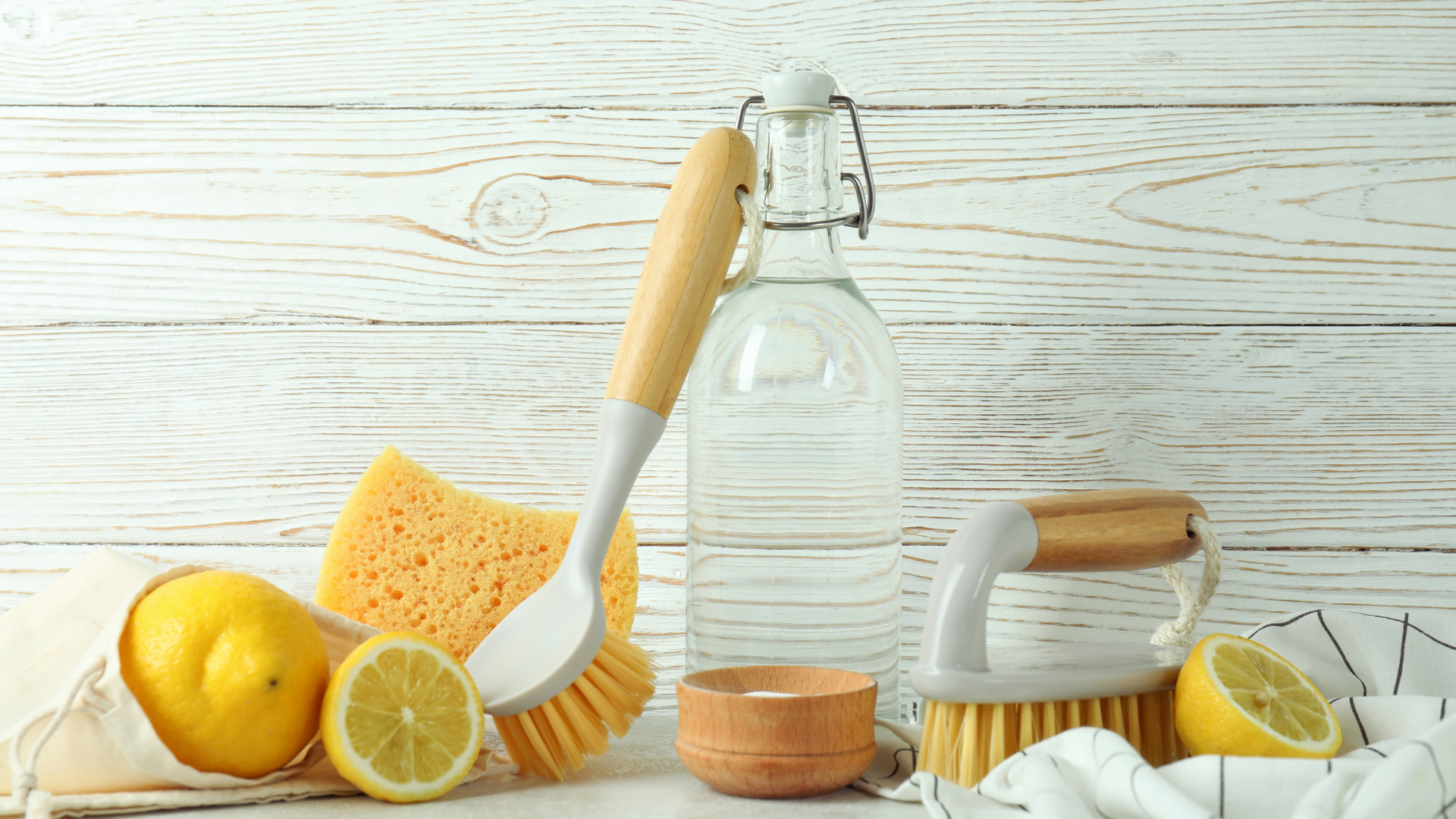
Eco-friendly home cleaning solutions offer a safer and more sustainable way to maintain a clean living space without harmful chemicals. Simple ingredients like vinegar, baking soda, and lemon provide effective cleaning power while reducing environmental impact. These alternatives can improve indoor air quality and minimize waste.
Using natural products can save money and lower exposure to toxins found in many conventional cleaners. Many eco-friendly options are easy to make at home, making green cleaning accessible to everyone. Understanding these solutions helps create a healthier home and planet.
Benefits of Eco-Friendly Home Cleaning Solutions
Eco-friendly cleaning products reduce harm to the environment, protect human health, and often save money compared to conventional options. They achieve these benefits through natural ingredients and sustainable practices.
Environmental Impact
Eco-friendly cleaners use biodegradable ingredients that break down quickly, minimizing water pollution. Many avoid harsh chemicals like phosphates, ammonia, and chlorine, which can damage aquatic ecosystems when washed down drains.
Packaging is often recyclable or made from recycled materials, reducing landfill waste. Some brands also use concentrated formulas, which reduce plastic use and the carbon footprint associated with shipping.
These products support sustainability by prioritizing renewable resources. Choosing eco-friendly options helps decrease overall chemical exposure in the environment and promotes conservation efforts.
Health Advantages
Conventional cleaning chemicals can release volatile organic compounds (VOCs) that irritate the respiratory system and trigger allergies or asthma. Eco-friendly cleaners generally lack these harmful emissions, making indoor air quality better.
They often contain plant-based ingredients, avoiding synthetic fragrances and dyes that can cause skin irritation. This makes them safer for children, pets, and individuals with sensitive skin.
Reduced exposure to toxic substances lowers the risks of headaches, dizziness, and long-term health issues linked to chemical exposure. Using these products can create a healthier living space without sacrificing cleanliness.
Cost Effectiveness
Many eco-friendly products come in concentrated forms, meaning a little goes a long way and reduces the frequency of purchases. This can save money over time despite a sometimes higher upfront cost.
DIY cleaning solutions using common kitchen items like vinegar and baking soda provide a low-cost alternative to commercial products. These homemade options are effective for tasks like deodorizing, scrubbing, and disinfecting.
Because eco-friendly cleaners are often safer for pipes and surfaces, they can extend the lifespan of household materials, reducing replacement needs. Considering all factors, these solutions can be more economical in the long term.
Types of Eco-Friendly Cleaning Products
Eco-friendly cleaning products vary by their source, composition, and safety profiles. These differences impact their effectiveness, environmental footprint, and user health.
Plant-Based Cleaners
Plant-based cleaners use natural extracts such as citrus oils, vinegar, or enzymes derived from fruits and vegetables. These ingredients provide strong cleaning power without relying on synthetic chemicals.
Common substances include lemon oil for grease removal and coconut-derived surfactants for gentle cleansing. They break down dirt and grime effectively but tend to be safer around pets and children.
Unlike petroleum-based products, plant-based cleaners are renewable and degrade faster in the environment. They often avoid harsh fragrances and dyes, reducing allergens and irritants.
Biodegradable Ingredients
Biodegradable cleaning products contain compounds that microorganisms can break down within a short period. This property minimizes persistent waste in water systems and soil.
Typical biodegradable components include surfactants from plant oils, citric acid, and natural enzymes. These ingredients prevent long-term pollution and support wastewater treatment processes.
Labels commonly indicate biodegradability standards, such as ASTM D6400 or OECD guidelines. Users should check for these certifications to ensure the product will not accumulate in ecosystems.
Non-Toxic Formulations
Non-toxic formulations exclude harmful substances such as phosphates, ammonia, chlorine, and synthetic fragrances. Their safety profile reduces risks of respiratory issues, skin irritation, and accidental poisoning.
These products prioritize natural preservatives and mild cleaning agents. For example, sodium bicarbonate and vinegar serve as effective alternatives with low toxicity.
Non-toxic cleaners allow safer indoor air quality and minimize chemical exposure. They are suitable for sensitive populations, including children, the elderly, and those with allergies.
DIY Eco-Friendly Cleaning Recipes
Simple ingredients like vinegar, baking soda, and lemon juice can tackle a variety of cleaning tasks. These recipes focus on non-toxic, biodegradable components that are safe for home use and effective on common surfaces.
Natural All Purpose Cleaner
Combine 1 cup of water, 1 cup of white vinegar, and 10 drops of essential oil (such as tea tree or lemon) in a spray bottle. Shake well before each use. This solution works well on countertops, appliances, and light stains.
Avoid using vinegar on natural stone like granite or marble because vinegar is acidic and can damage these surfaces. For tougher grime, sprinkle baking soda before spraying the solution and scrub lightly. The mixture disinfects mildly and deodorizes without harsh chemicals.
Homemade Glass Cleaner
Mix 2 cups of water, 1/2 cup of white vinegar, and 1/4 cup rubbing alcohol (70% concentration) in a spray bottle. The alcohol speeds up drying while the vinegar cuts through smudges and fingerprints.
Use a microfiber cloth for the best results to prevent streaks. This cleaner is safe for mirrors and windows and avoids the chemical residues found in commercial glass cleaners. Store in a cool, dark place for up to one month.
Eco-Friendly Floor Cleaner
For hardwood and tile floors, mix 1/4 cup castile soap with 1 gallon of warm water. Castile soap is plant-based and gentle on surfaces. Mop floors with this solution and dry immediately to prevent water damage on wood.
Avoid excessive water on hardwood floors as it can cause warping. For vinyl or laminate floors, substitute castile soap with 1/2 cup white vinegar in 1 gallon of water for a lighter clean that also acts as a mild disinfectant.
Non-Toxic Bathroom Cleaner
Mix 1/2 cup baking soda with 1/4 cup liquid castile soap and add 15 drops of tea tree or eucalyptus essential oil. This paste works well on sinks, tubs, and tile grout.
Apply with a sponge, scrub gently, and rinse well. Baking soda acts as a mild abrasive while essential oils provide antimicrobial properties. This cleaner avoids the use of bleach and harsh detergents often found in bathroom products.
Safe Usage and Storage Guidelines
Using eco-friendly cleaning solutions safely requires careful handling, correct dilution, and mindful storage to protect your household and environment. Paying attention to these details ensures effective cleaning with minimal risk.
Proper Dilution Techniques
Many eco-friendly cleaners concentrate active ingredients, so proper dilution is essential. Always follow dilution ratios specified on product labels or recipes. For example, a common ratio is 1 part solution to 10 parts water.
Using too little water can cause surface damage or leave sticky residues. Too much water reduces cleaning power and wastes product. Measure liquids precisely using marked containers or measuring cups.
Mix solutions in well-ventilated areas to avoid inhaling concentrated fumes. Stir gently to ensure even dispersion. Store mixed solutions in clearly labeled spray bottles to avoid confusion and accidental misuse.
Child and Pet Safety
Keep all cleaning products out of reach of children and pets, ideally stored in high cabinets or locked cupboards. Even natural ingredients like vinegar, baking soda, or essential oils can harm if ingested or applied incorrectly.
Avoid spraying directly near children or animals. Some ingredients may cause skin irritation or respiratory issues. Use gloves during application and ventilate rooms thoroughly.
Educate family members about dangers and immediate actions if exposure occurs, such as rinsing skin or eyes with water and seeking medical help. Always have poison control contact info readily available.
Storage Recommendations
Store eco-friendly cleaners in tightly sealed containers to prevent spills and contamination. Avoid transparent bottles for sensitive ingredients, as light can degrade their effectiveness.
Keep all products in cool, dry places away from direct sunlight and heat sources. Label all containers clearly with contents and preparation dates if homemade.
Do not combine leftover solutions; chemical reactions may reduce effectiveness or produce harmful byproducts. Regularly check stored products for color changes, sediment, or odors, discarding if any changes occur.
Switching to Sustainable Cleaning Tools
Choosing the right tools can reduce waste and limit exposure to harmful chemicals. Effective cleaning tools should last longer, break down naturally, and support low-impact production methods.
Reusable Cleaning Cloths
Reusable cleaning cloths are usually made from materials like bamboo, cotton, or microfiber. They replace disposable paper towels, cutting down on landfill waste.
Bamboo cloths are antimicrobial and durable, requiring fewer washes. Cotton cloths are soft and absorbent, but may need more water to clean. Microfiber cloths trap dirt and oils efficiently but often contain synthetic fibers that don’t biodegrade.
Washing these clothes properly extends their life. Avoid bleach and fabric softeners, which degrade fibers and reduce effectiveness. Over time, reusable cloths provide a cost-efficient and more eco-friendly cleaning option compared to disposable products.
Compostable Sponges
Compostable sponges are made from natural fibers like cellulose, cotton, or loofah. These materials break down safely when discarded, unlike conventional plastic sponges.
Cellulose sponges absorb water well and dry quickly, reducing bacterial growth. Loofah sponges have a rough texture ideal for scrubbing tougher grime. Cotton sponges offer softness for delicate surfaces.
Avoid sponges with synthetic scrubbing layers, as they defeat the purpose of compostability. Compostable sponges require proper disposal in compost bins to ensure they break down effectively, closing the loop on waste.
Eco-Friendly Brushes
Brushes made from sustainably harvested wood and natural bristles replace plastic variants. Hardwood handles resist wear and can be composted or recycled at the end of their use.
Bristles sourced from plant fibers or animal hair provide effective scrubbing without contributing microplastics when discarded. These brushes often have a longer lifespan due to sturdy construction.
Maintenance includes simple cleaning and drying to prevent mold. Choosing eco-friendly brushes reduces plastic waste and supports responsible forestry practices, making daily cleaning more sustainable.
Choosing Commercial Eco-Friendly Cleaning Brands
Selecting a commercial eco-friendly cleaning brand requires attention to product credibility, ingredient safety, and label transparency. These factors help ensure the products not only reduce environmental impact but also maintain effective cleaning performance.
Certifications to Look For
Trusted eco-friendly brands typically feature recognized third-party certifications. Look for labels like EPA Safer Choice, Green Seal, or EcoLogo, which verify that products meet strict environmental and health standards.
These certifications assess biodegradable ingredients, low toxicity, and limits on VOCs (volatile organic compounds). They also evaluate packaging sustainability.
Be cautious of self-declared “green” claims without certification. Official labels provide assurance backed by independent testing and compliance.
Key Ingredients to Avoid
Certain chemicals undermine the eco-friendliness of cleaning products. Avoid phosphates, which contribute to water pollution and algae blooms.
Stay away from chlorine bleach, linked to toxic emissions and respiratory irritation. Synthetic fragrances often contain harmful allergens and endocrine disruptors.
Be mindful of nonylphenol ethoxylates (NPEs), known to degrade aquatic ecosystems, and quaternary ammonium compounds (quats), which may affect indoor air quality.
Choosing products free of these ingredients reduces environmental harm and potential health risks.
Comparing Product Labels
Comparing labels helps identify genuinely eco-friendly options. Focus on ingredient lists, noting the presence of plant-based surfactants like coconut-derived or corn-based cleansers.
Check for clear ingredient percentages and transparent manufacturing details. Beware of vague terms like “natural” or “green” without specifics.
Labels that include usage instructions tailored to minimize waste indicate thoughtful product design.
Using a side-by-side checklist of certifications, ingredient safety, and packaging information helps make informed choices quickly.
Reducing Waste in Home Cleaning
Cutting down waste in cleaning routines involves choosing durable packaging options and minimizing single-use containers. These approaches can significantly lower plastic consumption and unnecessary trash.
Refillable Containers
Using refillable containers helps decrease plastic waste by allowing multiple uses of a single bottle. Many brands now offer cleaning products in concentrated forms or refills that can be poured into sturdy, reusable bottles.
Refillable containers often use thicker plastic or glass, which increases durability and lifespan. This reduces the frequency of disposal compared to standard single-use bottles.
Additionally, refills usually come in simpler packaging, which uses less material overall. Shoppers can save money by purchasing larger refills and reducing the need to buy new bottles.
Bulk Purchasing Options
Buying cleaning supplies in bulk reduces packaging waste by minimizing the number of containers purchased. Large containers or multi-packs decrease the ratio of packaging to product.
Bulk purchases are often more cost-effective and allow households to store enough supplies to avoid frequent trips to the store. This saves fuel and further reduces environmental impact.
To optimize bulk buying, choose concentrated formulas when possible. These require less storage space and less packaging compared to ready-to-use products. Eco-Friendly Cleaning for Specific Areas
Targeted cleaning strategies can make a significant difference in maintaining a green home. Using natural ingredients suited to the characteristics of each space ensures effective cleaning without harmful chemicals.
Kitchen Cleaning Solutions
The kitchen requires disinfecting surfaces while avoiding toxins near food. Use a mixture of white vinegar and water (1:1 ratio) to clean countertops and remove grease naturally. For cutting boards, sprinkling coarse salt with lemon juice breaks down stains and neutralizes odors.
Avoid bleach and chemical sprays around food prep areas. Instead, baking soda effectively scrubs ovens and sinks without scratching surfaces. For stainless steel appliances, a damp microfiber cloth followed by a light olive oil rub restores shine and removes fingerprints.
Regularly empty the kitchen garbage and compost to reduce indoor odors. Use cloth towels instead of disposable wipes to limit waste.
Bedroom and Living Area Care
Dust and allergens accumulate quickly here. Use a damp microfiber cloth to trap dust on furniture and electronics instead of dry dusting, which spreads particles. Natural cleaners with tea tree oil or lavender provide antimicrobial effects while leaving a mild scent.
For carpets and upholstery, sprinkle baking soda, let it sit for 15 minutes, then vacuum to absorb odors and freshen fabrics naturally. Avoid synthetic air fresheners, which often release volatile organic compounds (VOCs). Instead, use essential oil diffusers or houseplants to improve air quality.
Wash bedding weekly with eco-friendly detergent to reduce allergens and skin irritation risks. Regular ventilation helps prevent mold growth and maintains a healthy atmosphere.
Overcoming Challenges in Sustainable Cleaning
Sustainable cleaning products often face scrutiny regarding their performance compared to traditional options. Addressing effectiveness and the ability to tackle stubborn stains are key concerns for users switching to eco-friendly solutions.
Effectiveness Compared to Conventional Products
Eco-friendly cleaners use natural ingredients like vinegar, baking soda, and citrus extracts, which can match the cleaning power of chemical-based products for daily tasks. Their performance may vary depending on the surface and the type of dirt or grime.
Unlike harsh chemicals, these green cleaners are gentler on materials and reduce the risk of damage to surfaces such as hardwood or natural stone. However, some users report needing slightly more effort or longer contact time to achieve the same results on tough messes.
Testing different brands and formulations is essential because not all eco-friendly products perform equally. Look for third-party certifications such as EPA Safer Choice or Green Seal to ensure reliable standards.
Removing Tough Stains
Stubborn stains can be a significant hurdle when switching to sustainable cleaning. Many eco solutions rely on combinations of natural acids, enzymes, or oxygen-based bleaches to break down organic and inorganic stains.
For example, oxygen bleach (sodium percarbonate) is effective on protein, wine, and coffee stains without the toxicity of chlorine bleach. Enzymatic cleaners use bacteria or enzymes to digest grease and organic residues, making them suitable for kitchen and laundry tasks.
In some cases, pre-treating stains or allowing longer soaking times enhances results. Combining mechanical action like scrubbing with eco-friendly cleaners often improves the removal of ground-in dirt or dried spills.