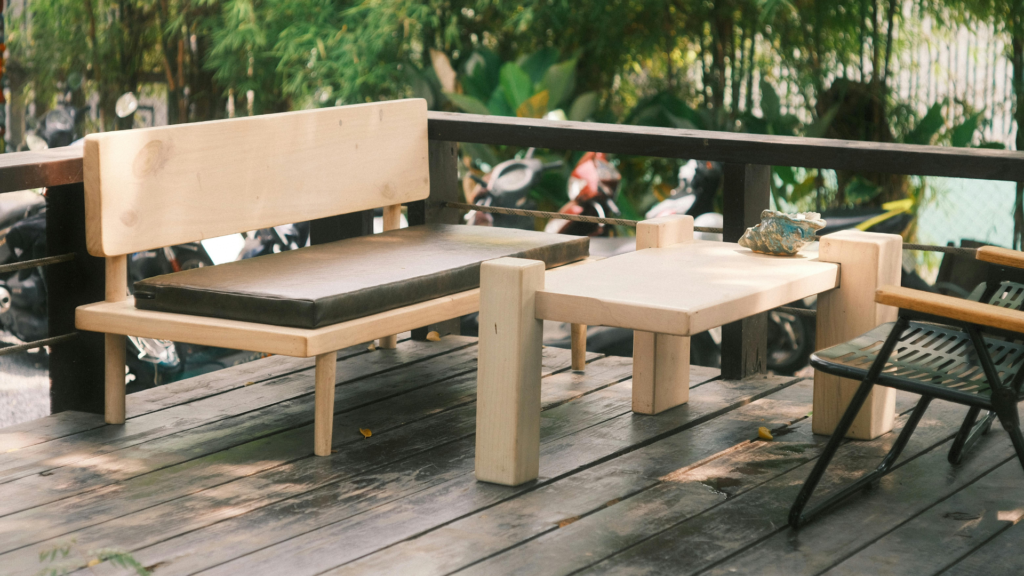
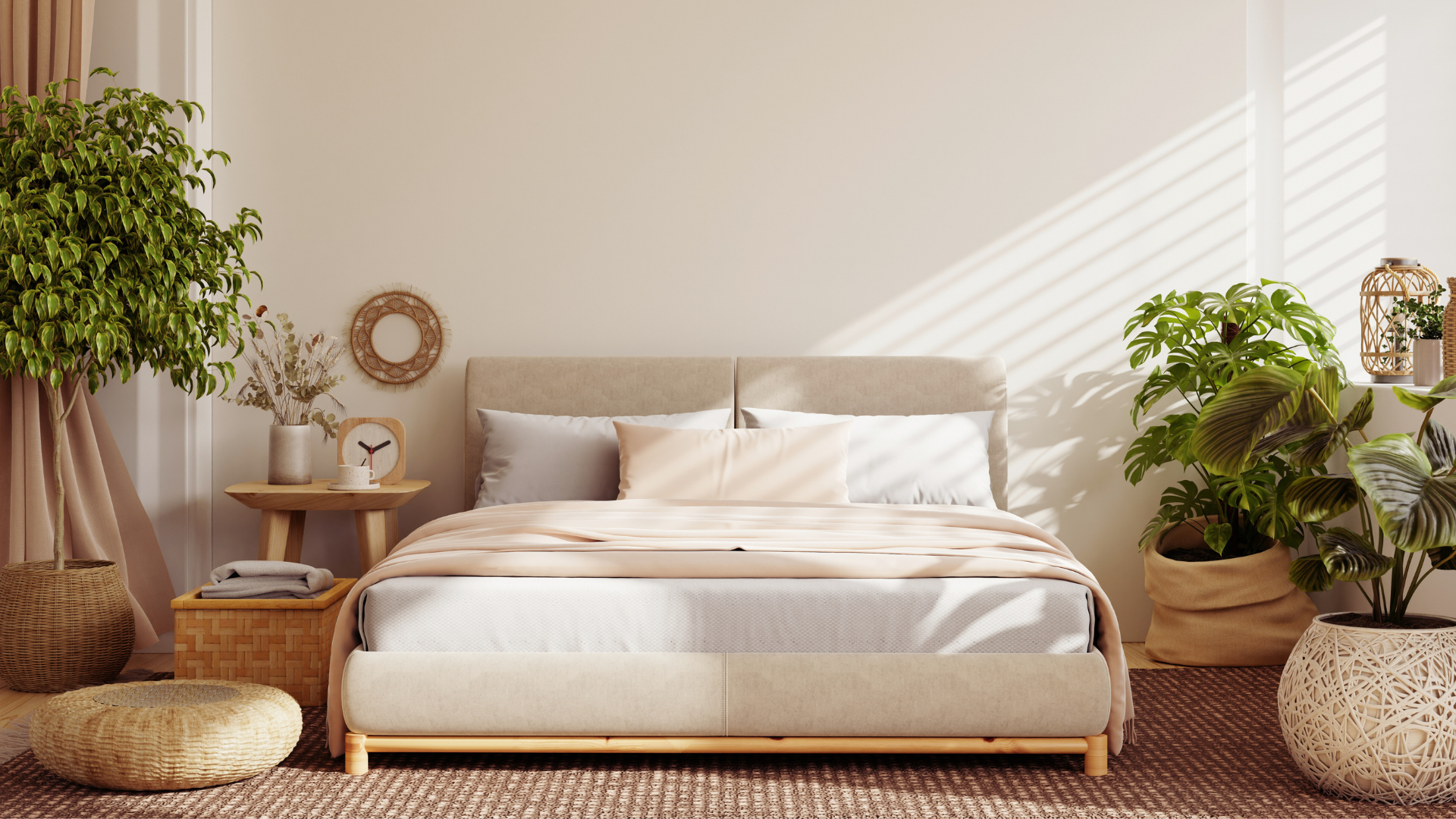
Modern decor styles encompass a range of aesthetic approaches that prioritize simplicity, functionality, and innovation. These styles reflect contemporary tastes through clean lines, open spaces, and an emphasis on natural materials. Whether incorporating minimalism, industrial elements, or mid-century modern aesthetics, each style offers unique ways to enhance interior environments.
Interior design professionals appreciate modern decor for its versatility and ability to create seamless, inviting spaces. By combining color palettes with different textures and forms, modern design not only caters to visual appeal but also to the practical needs of everyday living. This thoughtful integration transforms spaces into habitats that encourage comfort and creativity.
As the world of design evolves, staying informed about modern decor styles is essential for anyone looking to refresh their living spaces. For instance, bath remodeling typically offers a great opportunity to incorporate sleek fixtures, neutral color palettes, and natural materials that align with modern design principles.
Similarly, kitchen renovations can embrace contemporary aesthetics through streamlined cabinetry, open shelving, and innovative layouts that balance functionality with style. Exploring these possibilities not only allows homeowners and decorators to experiment with fresh ideas but also ensures their spaces reflect both personal tastes and current trends.
While checking out specific applications of modern decor is exciting, it is equally important to understand the foundational principles that make these styles so impactful. By examining the core ideas behind modern design, we can better appreciate how these elements come together to create harmonious and inviting environments.
Foundations of Modern Decor
Modern decor is rooted in principles that prioritize simplicity, functionality, and a connection to space. The focus is on creating an environment that feels open and uncluttered while utilizing materials and designs that reflect a contemporary aesthetic.
And, this approach isn’t limited to just the inside of the home. When it comes to building new houses, more homebuilders are turning to modern design principles for both the exterior and interior. Companies similar to Alaia Crossing, which specialize in modern home construction, are at the forefront of this trend. They can understand the importance of integrating contemporary aesthetics with functionality from the very beginning of the design process.
Not only do they focus on creating stylish, open interiors that are filled with light, but they also ensure the exterior design aligns with the modern aesthetic. From sleek, angular facades to open-concept layouts, modern homebuilders are building houses that make a statement from the outside in.
Modern and Contemporary Design Principles
Modern design emphasizes clean lines and a minimalist approach. Spaces are structured with purposeful arrangements that enhance functionality. This style avoids ornate details and instead favors simplicity, allowing the beauty of materials to shine through.
In modern decor, neutral palettes dominate, incorporating whites, grays, and beiges. These colors contribute to a cohesive look and create a calming atmosphere. Open floor plans are commonly used to promote flow and connectivity among different areas.
Minimalist Aesthetics
Minimalism is about reducing excess to celebrate the essence of design. Furniture and decor are selected for their simplicity and functionality. Each item serves a purpose and often features geometric shapes and a lack of embellishment.
Spatial organization is critical; uncluttered spaces enhance the sense of serenity within a home. Accessories are limited, as the focus is on the few pieces that hold significance. This approach creates a peaceful and inviting environment.
Industrial Influence on Modern Decor
Industrial style draws inspiration from warehouses and factories, featuring raw materials such as metals and wood. This aesthetic seeks to maintain an unfinished look while integrating modern comforts. Elements like exposed brick, steel beams, and concrete floors are common.
Incorporating industrial accents enhances the overall modern decor scheme. Furniture pieces with a rusted or reclaimed finish add character while maintaining a minimalist ethos. The blend of industrial and modern elements results in a dynamic yet harmonious interior design.
Popular Modern Interior Styles
Modern interior styles incorporate a range of influences, balancing functionality and aesthetics. These styles emphasize minimalism, natural materials, and adding personal touches through decor.
Scandinavian and Japandi
Scandinavian design focuses on simplicity, functionality, and minimalism. It features light colors, natural materials, and clean lines. The style often incorporates wooden elements, textiles, and functional furniture.
Japandi merges Japanese elegance with Scandinavian functionality. This hybrid style highlights craftsmanship and natural beauty. It uses muted colors, natural materials, and a balance between aesthetics and purpose.
Both styles favor decluttered spaces, promoting a sense of calm. Key elements include open spaces, light woods, and cozy textiles, creating environments that are both inviting and serene. Pops of color may appear through art or accessories.
Midcentury Modern and Boho
Midcentury modern design, popular from the 1940s to the 1960s, emphasizes organic shapes and simplicity. It features furniture with sleek lines and vibrant colors. This style blends functionality with aesthetics, making it timeless.
Bohemian, or boho, design embraces an eclectic mix of patterns, textures, and colors. It celebrates individuality through layered textiles, vintage furniture, and a variety of decorative elements. This style often includes plants and handmade items, creating a vibrant atmosphere.
The combination of midcentury modern with boho can result in unique spaces that feel curated yet comfortable. They offer opportunities for personal expression while maintaining a cohesive design.
Farmhouse and Industrial Modern
The farmhouse style emphasizes comfort and rustic charm. It often features wooden beams, distressed finishes, and vintage decor. This style celebrates natural materials and earthy tones, creating a warm environment.
Industrial modern design incorporates raw materials and an urban aesthetic. It features exposed brick, metal accents, and an open layout. This style emphasizes functionality, often using salvaged materials for a distinctive look.
Merging farmhouse and industrial styles can create a modern rustic environment. This blend highlights natural elements while adding a contemporary edge. It results in spaces that are both welcoming and stylish, appealing to those who appreciate the old and new.
Integrating Elements of Modern Decor
This section explores key components of modern decor, emphasizing color schemes, materials, and furniture arrangements. Focus on achieving a balanced aesthetic that reflects simplicity and sophistication.
Color Schemes and Accent Features
Modern decor often employs high-contrast color schemes to create a striking visual impact. Common combinations include black and white, muted tones with bold accents, or earthy hues paired with pops of color.
Accent features can manifest in various forms, like vibrant throw pillows, artwork, or decorative vases. Geometric patterns, found in textiles or wallpapers, add visual interest while maintaining a clean look.
Natural materials, such as wood and stone, ground the design, reinforcing a connection to the earth. This thoughtful combination of color and accents leads to an environment that feels both inviting and contemporary.
Materials and Textures
An essential aspect of modern decor is the use of diverse materials and textures. Incorporating natural materials like wood, leather, and metal emphasizes durability and brings depth to the space.
Textures can vary from sleek, glossy surfaces to matte finishes, contributing to a layered aesthetic. For instance, an industrial coffee table can contrast with a cozy area rug, creating a balance between hard and soft elements.
Organic shapes in furniture or decor can soften the overall look and promote a sense of flow within the environment. Utilizing a mix of textures enhances the modern appeal while providing tactile experiences.
Furniture and Layout
Choosing the right furniture and layout is crucial in modern decor. Opting for minimalistic pieces encourages an open-plan feel, making spaces appear larger and more inviting.
Furniture should promote functionality without sacrificing style. Sleek, low-profile sofas and geometric coffee tables work well in contemporary living rooms or bedrooms.
Arranging furniture to facilitate conversation and movement is key. For example, placing the sofa facing a focal point, like a fireplace or artwork, creates an engaging atmosphere. Positioning area rugs can define spaces and enhance comfort while contributing to the overall design coherence.