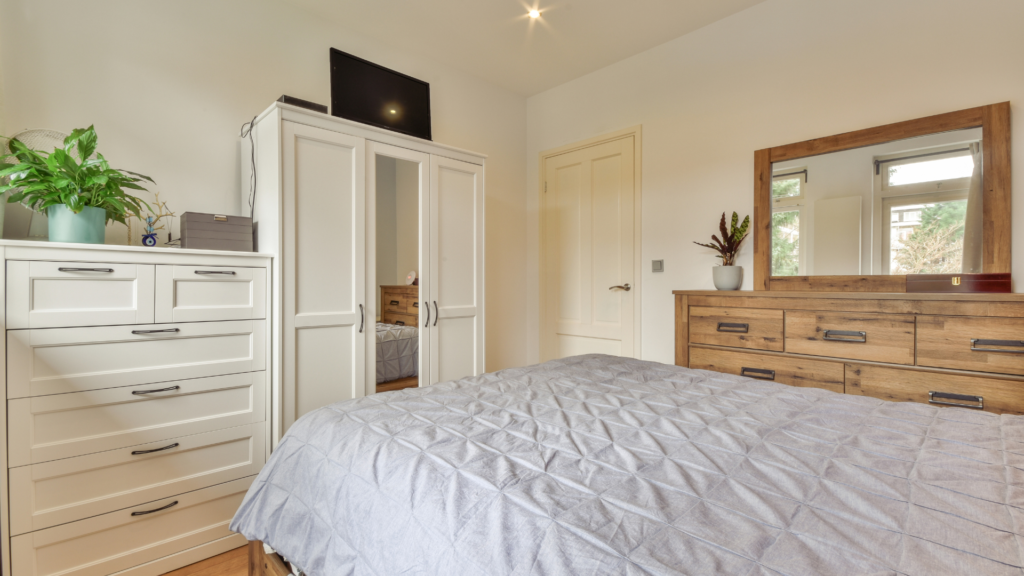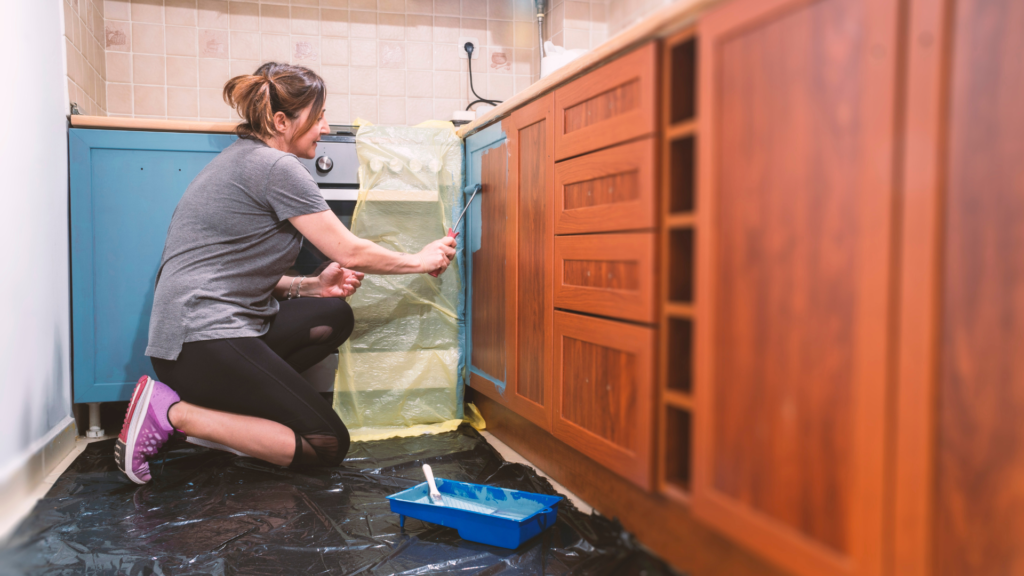

Timeless interior design trends blend aesthetics with functionality, ensuring spaces remain inviting and relevant over the years. Classic elements such as neutral color palettes, natural materials, and minimalistic styles are enduring choices that enhance any home. These trends not only embody elegance but also adapt seamlessly to personal tastes and evolving styles.
Incorporating pieces that reflect one’s personality while adhering to these timeless principles creates a harmonious environment. Whether through the use of elegant furnishings or understated décor, individuals can create spaces that resonate with their identity while remaining effortlessly chic over time.
Understanding which trends withstand the test of time is essential for anyone looking to invest in lasting design. By focusing on elements that are both classic and versatile, homeowners can achieve an aesthetic that feels both current and enduring.
Key Principles of Timeless Interior Design
Timeless interior design combines enduring styles with functionality. It creates spaces that remain relevant regardless of changing trends. A few key principles guide this approach, allowing for lasting appeal and harmony in any environment.
Embracing Timeless Style
Timeless style rests on classic elements that withstand the test of time. Neutral color palettes are often favored, as they provide a versatile backdrop. This choice allows for easy updates with accessories while maintaining a cohesive look.
Furnishings should include materials like solid wood, leather, and stone, which offer durability and beauty. Additionally, classic patterns, such as stripes and plaids, contribute a sense of heritage without feeling outdated. Emphasizing balance and proportion in furniture placement enhances the overall aesthetic, promoting a serene atmosphere.
Balancing Classic and Contemporary Design
In achieving a timeless interior, blending classic and contemporary design elements is essential. This balance allows for the incorporation of modern comforts while celebrating traditional aesthetics.
When selecting contemporary pieces, choose designs that complement rather than conflict with classic elements. For instance, a sleek, modern chair can pair well with an antique table, creating a striking focal point. Accessories like artwork and lighting fixtures should also reflect a mix of styles, offering visual interest without overwhelming the space.
It’s crucial to focus on function as well. Choosing designs that serve practical purposes keeps spaces comfortable and user-friendly, aligning with timeless design principles.
Sustainability and Enduring Appeal
Sustainability plays a vital role in timeless interior design. Eco-friendly materials and practices contribute to the longevity of a space while benefiting the environment. By opting for sustainable options, designers create designs that age gracefully.
Using reclaimed materials, such as wood or metal, brings character and reduces waste. High-quality craftsmanship is vital; investing in well-made pieces ensures longevity and minimizes the need for replacements.
Additionally, sustainability encourages the use of adaptable designs. Pieces that can evolve with changing trends will retain their relevance. This approach embraces both aesthetic and ethical considerations, offering a modern solution to timeless design.
Essential Elements That Never Go Out of Style
Certain aspects of interior design consistently maintain their appeal across various trends. Focused on timelessness, these essential elements enhance spaces and provide lasting aesthetic value, making them preferable for those looking to create enduring environments.
Natural Materials and Textures
Natural materials remain a staple in interior design. Elements like wood, stone, and rattan add warmth and character to any space. These materials not only offer durability but also maintain a connection to nature.
Textures play a vital role in creating depth. Incorporating items made from natural fibers or fabrics such as linen and cotton can elevate a room’s aesthetic. Earthy textures contribute to a more inviting atmosphere, balancing modern elements with organic vibes.
Iconic Furnishings and Home Décor
Certain pieces of furniture have achieved iconic status and continue to resonate through time. The Chesterfield sofa is one such example, known for its timeless design and luxurious comfort. This classic piece fits well in both traditional and contemporary settings, making it a versatile choice.
Quality home décor items, like elegant chandeliers and unique art pieces, also withstand the test of time. Investing in well-designed décor not only enhances visual appeal but also adds a personal touch, reflecting the homeowner’s style while remaining relevant across trends.
Time-Tested Color Palettes
Color choices significantly affect the feeling of a space. Earth tones, including varied shades of browns and soft pinks, have lasting appeal and compatibility. These colors create a warm and inviting environment, offering a balance between comfort and sophistication.
Incorporating neutral and subdued hues helps maintain a classic aesthetic. For example, a white kitchen can evoke cleanliness and simplicity while providing flexibility for changing accessories. This adaptability ensures that color choices remain stylish for years without losing their charm.
Styling Strategies for a Lasting Design Statement
Effective styling strategies can elevate an interior space while ensuring timeless appeal. Key techniques involve integrating natural elements, embracing organic shapes, and achieving a balanced design that highlights featured components.
Incorporating Natural Elements and Plant Life
Natural elements can significantly enhance an interior design. Integrating materials such as wood, stone, and glass creates a connection with the outdoors.
Plants add vibrancy and life to spaces. They improve air quality and contribute to a soothing atmosphere.
Popular choices include low-maintenance varieties like snake plants, pothos, and ZZ plants. Placing them strategically, such as on shelves or hanging pots, can make a bold statement while remaining functional.
To maximize impact, consider using natural textures in furnishings. A woven rug or linen curtains complement the organic theme beautifully.
Using Organic Shapes and Unique Features
Incorporating organic shapes fosters a sense of harmony within a design. Curvy furniture, asymmetrical lines, and flowing layouts create a more relaxed vibe.
Selecting pieces that embody these shapes enhances visual interest. Look for tables or chairs with rounded edges and flowing forms.
Unique features such as handcrafted items also add character. Artisans’ work can introduce both charm and individuality into a space, contributing to a cohesive design narrative.
Additionally, water features or sculptures can serve as focal points, marrying function and aesthetic appeal.
Achieving a Featured Yet Balanced Look
A featured look in a space should command attention without overwhelming. Focal points can range from a statement wall to a prominent piece of furniture.
The balance is crucial when introducing bold elements. Surrounding a striking artwork with neutral colors can emphasize its presence without distraction.
Layering textures and colors also plays a role in achieving a cohesive look. For instance, mixing metals with a few subtly patterned textiles creates depth without chaos.
Design should feel intentional, ensuring that each element contributes to the overall atmosphere. This thoughtful approach guarantees that the styling remains relevant and engaging for years.
Personalizing Your Space Without Sacrificing Longevity
Creating a unique home environment can be achieved through careful choices that blend personal style with timeless elegance. Incorporating elements that reflect individuality while ensuring they stand the test of time adds character to a space.
Mixing Maximalism with Timeless Pieces
Maximalism celebrates bold colors, patterns, and eclectic decor. It allows personal expression through layered textures and visual richness. When incorporating maximalism, consider timeless furniture designs.
Key Tips:
- Select Classic Shapes: Opt for furniture with traditional silhouettes. Examples include wingback chairs or classic sofas.
- Contrast With Patterns: Use maximalist patterns on cushions, curtains, or wall art that can be easily changed. This approach adds flair without compromising foundational pieces.
- Color Cohesion: Choose a consistent color palette to unify diverse elements. This prevents a chaotic appearance while showcasing individuality.
Choosing Decor That Endures
When selecting decor items, prioritizing durability is crucial. Items that blend quality with aesthetic appeal can enhance a space’s longevity.
Considerations:
- Material Quality: Invest in materials like hardwood, metal, or stone. These options withstand wear and tear, ensuring longevity.
- Timeless Styles: Favor decor styles that have stood the test of time, such as mid-century modern or Art Deco.
- Modular Accessories: Use modular shelf systems or interchangeable art frames. These allow flexibility and adaptability without a complete overhaul.
The Art of Buying Quality for Lasting Impact
Quality over quantity is essential in interior design. Thoughtfully purchased items can elevate a space significantly without the need for constant replacement.
Buying Guidelines:
- Research Brands: Look for reputable manufacturers known for quality craftsmanship. This will ensure long-lasting durability in purchases.
- Invest in Key Pieces: Focus spending on essential items like a quality sofa, dining table, or lighting fixtures. These will serve as focal points within a room.
- Care and Maintenance: Proper maintenance can extend the life of furniture and decor. Regular cleaning and thoughtful placement minimize damage and wear.
By blending these strategies, individuals can personalize their spaces effectively without compromising style or longevity.