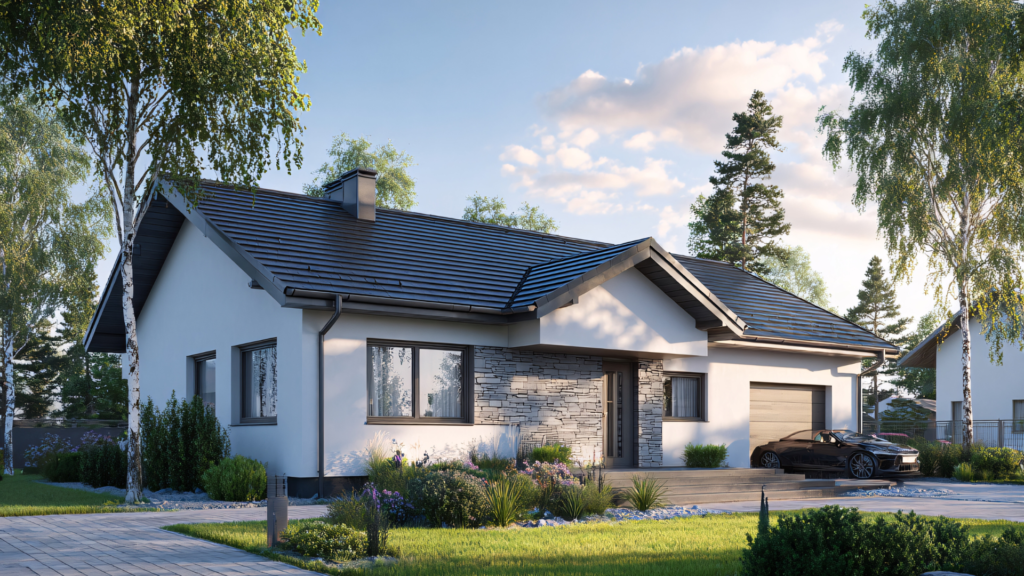

Creating a warm and inviting space transforms a house into a home. This process involves personalizing each area with elements that reflect one’s style and values. The key to making a house a home lies in infusing it with comfort, personalization, and a sense of belonging.
Incorporating meaningful décor, functional furnishings, and cozy textiles can significantly enhance the atmosphere. Touches like family photos, cherished mementos, and thoughtful color choices can evoke positive emotions and create a unique identity. It is essential for individuals to connect with their spaces to foster a true sense of home.
Beyond aesthetics, the emotional aspect also plays a crucial role. Engaging with the community and creating memories within the space solidifies that connection. A house becomes a home when it resonates with warmth, safety, and unity.
Personalizing Your Space
Creating a home that reflects individual personality enhances comfort and connection. Personal choices in decoration and sentimentality in items play essential roles in this process.
Choosing Meaningful Decoration
Selecting decorations that resonate personally can transform a house into a home. This includes artwork, photographs, and items that evoke memories or represent personal achievements.
When choosing art, consider pieces that captivate attention or evoke strong feelings. Family photos displayed in creative frames can tell a story and bring warmth to any room.
Adding specific colors that hold significance can also impact the atmosphere. For example, using a favorite hue in accent pieces or wall paint creates a sense of belonging and personal touch.
Incorporating Family Heirlooms
Family heirlooms serve as tangible connections to one’s past, enriching a home’s narrative. Incorporating these treasured pieces can evoke memories and celebrate heritage.
Heirlooms might include furniture, jewelry, or other items passed down through generations. Displaying them prominently can spark conversations and share family history with guests.
It’s beneficial to create designated spaces for these items. For instance, a special corner in the living room or a display cabinet can highlight their importance while contributing to the home’s aesthetic.
Reflecting Personal Style
Personal style should influence every aspect of decorating a home. This can involve mixing different design elements to create a cohesive yet unique look.
Homeowners might consider various styles, such as minimalist, bohemian, or contemporary. Each style offers a distinct way to curate an atmosphere that reflects individual preferences.
To enhance this, one can blend textures, patterns, and colors that appeal personally. Incorporating custom furniture or DIY projects also adds a layer of personalization, showcasing creativity and ownership of the space.
Designing for Comfort and Connection
Creating a home that fosters comfort and connection starts with thoughtful interior design. It involves making intentional choices that prioritize family interaction and build lasting memories.
Family-Centered Interior Design
Family-centered interior design emphasizes areas that promote togetherness. This can be achieved by selecting furniture that encourages conversation, such as sectional sofas or large dining tables.
Key Design Elements:
- Seating Arrangements: Use soft seating to invite family gatherings.
- Open Layouts: Design spaces that allow effortless flow between rooms.
- Personal Touches: Incorporate family photos and mementos to create a sense of belonging.
Incorporating multifunctional furniture can also enhance usability. Ottomans with storage can serve as both seating and a place to keep games or blankets.
Creating Spaces for Making Memories
Designing spaces geared towards memory-making involves creating settings where families can engage in shared activities. Consider areas like a game room or a cozy reading nook.
Features of Memory Spaces:
- Flexible Areas: Use furniture that can be easily reconfigured for different activities.
- Lighting Options: Incorporate warm, adjustable lighting for various moods.
- Fun Decor: Select themes that resonate with family interests, promoting enjoyment.
Crafting distinct zones for hobbies, celebrations, or relaxation fosters connections. Outdoor spaces such as patios with seating can enhance family gatherings, bringing everyone together in a comfortable setting.
Enhancing Atmosphere With Light and Nature
Creating a warm and inviting home hinges on effective use of light and the incorporation of natural elements. By enhancing the atmosphere with these two components, a space can feel more open and connected to the outdoors.
Maximizing Natural Light
Natural light has a profound effect on the feel of a room. It can make spaces appear larger and more welcoming.
- Window Placement: Strategic window placement ensures maximum light penetration. Consider larger windows or skylights for brightening dark areas.
- Reflective Surfaces: Using mirrors or light-colored walls can help reflect light throughout a room, enhancing brightness and reducing the need for artificial lighting.
- Light-Filtering Treatments: Opt for sheer curtains or blinds that allow natural light while providing privacy. This balance maintains a bright atmosphere without compromising comfort.
Implementing these strategies can transform how light interacts with a space, providing an uplifting environment.
Incorporating Natural Elements
Nature can be brought indoors using various elements that promote tranquility. Plants and natural materials contribute to a serene atmosphere.
- Indoor Plants: Incorporating greenery like ferns or succulents helps purify the air and adds a refreshing touch. They can be placed on shelves, windowsills, or as statement pieces.
- Natural Materials: Utilizing wood, stone, or bamboo for furniture and decor fosters a connection to the outside world. These materials also add warmth and texture to a room.
- Outdoor Views: Positioning furniture to face windows with views of nature makes a significant impact. This not only enhances the aesthetic but also encourages relaxation.
Incorporating these natural aspects can help a home feel more grounded and inviting.
Capturing and Celebrating Transformations
Documenting the journey of turning a house into a home can be impactful. Before-and-after photos are vital in illustrating changes made in the space while evoking memories associated with those transformations.
Before-and-After Photos
Before-and-after photos serve as powerful visual evidence of a home’s evolution. Capturing the initial state before any changes are made allows one to appreciate the extent of the transformation.
When taking these photos, consider consistent lighting and angles to create an effective comparison. A clear backdrop helps emphasize the changes.
These images can also evoke memories tied to specific spaces, reminding individuals of the decisions and moments that led to their home’s transformation. Including captions with dates or notes about what was changed can enhance the storytelling element, preserving the essence of both stages.