A peaceful home environment can significantly enhance overall well-being. Decluttering is essential for achieving this tranquility, as it reduces stress and fosters a sense of order. Many may feel overwhelmed by clutter, unsure of where to start. Simple and effective decluttering tips can make a world of difference.
One effective approach is to tackle one area at a time, ensuring that the process feels manageable rather than daunting. Establishing a routine for evaluating belongings can help individuals make informed decisions about what to keep, donate, or discard. By doing so, they can create a serene space that promotes relaxation and focus.
Incorporating regular decluttering sessions into one’s lifestyle can also prevent clutter from building up again. Awareness of the items brought into the home can further support a peaceful atmosphere. Implementing these strategies will lead to a more harmonized living space that reflects personal values and fosters peace.
Understanding the Importance of Decluttering
Decluttering goes beyond just tidying up a space; it plays a significant role in mental clarity and overall well-being. The presence of clutter can create stress and anxiety, impacting daily life and relationships.
The Impact of Clutter on Peace and Well-Being
Clutter can lead to feelings of overwhelm and distraction. When a space is cluttered, it becomes difficult to focus and relax. Studies indicate that a chaotic environment may elevate stress levels, making it harder to unwind.
Mental health is intertwined with physical space. A clean, organized home can foster a sense of control and peace. Engaging in decluttering can also enhance creativity and productivity, as individuals can think clearly in an uncluttered environment.
Additionally, clutter has social implications. It can affect relationships, as an untidy space may make hosting or spending time with others feel less inviting. Feeling embarrassed by clutter can lead to isolation.
Identifying Common Sources of Clutter
Common sources of clutter include items that accumulate over time, such as newspapers, clothing, and miscellaneous objects. Many people struggle with keeping items that have sentimental value, leading to excessive accumulation.
Digital clutter is another significant factor. Unorganized files, emails, and photos can be just as mentally taxing as physical items. Taking time to address both physical and digital clutter is essential for achieving a harmonious living space.
Behavioral habits also contribute to clutter. Procrastination and lack of organization often lead to pile-ups in home environments. Recognizing these patterns can help individuals implement effective strategies for decluttering.
Proven Decluttering Strategies
Effective decluttering requires strategic planning and a clear understanding of the methods available. Below are proven strategies to create a more peaceful home through focused decluttering.
Setting Achievable Decluttering Goals
Establishing clear, achievable goals is essential for successful decluttering. Individuals should start small, choosing specific areas like a single drawer or closet. Defining a timeline can also help maintain momentum, such as dedicating a weekend to declutter a room.
Using the SMART criteria—Specific, Measurable, Achievable, Relevant, Time-bound—can enhance goal-setting. For instance, instead of simply stating ‘declutter the living room,’ one can say ‘remove 10 items from the living room by Sunday.’ This specific approach keeps efforts focused and manageable.
Regularly reviewing progress can motivate and highlight areas needing more attention. Celebrating small wins fosters a positive mindset, making the decluttering process less daunting.
The KonMari Method and Marie Kondo’s Principles
The KonMari Method, developed by Marie Kondo, emphasizes joy and practicality. This method encourages individuals to assess their belongings based on whether each item sparks joy. If it does not, it is time to say goodbye.
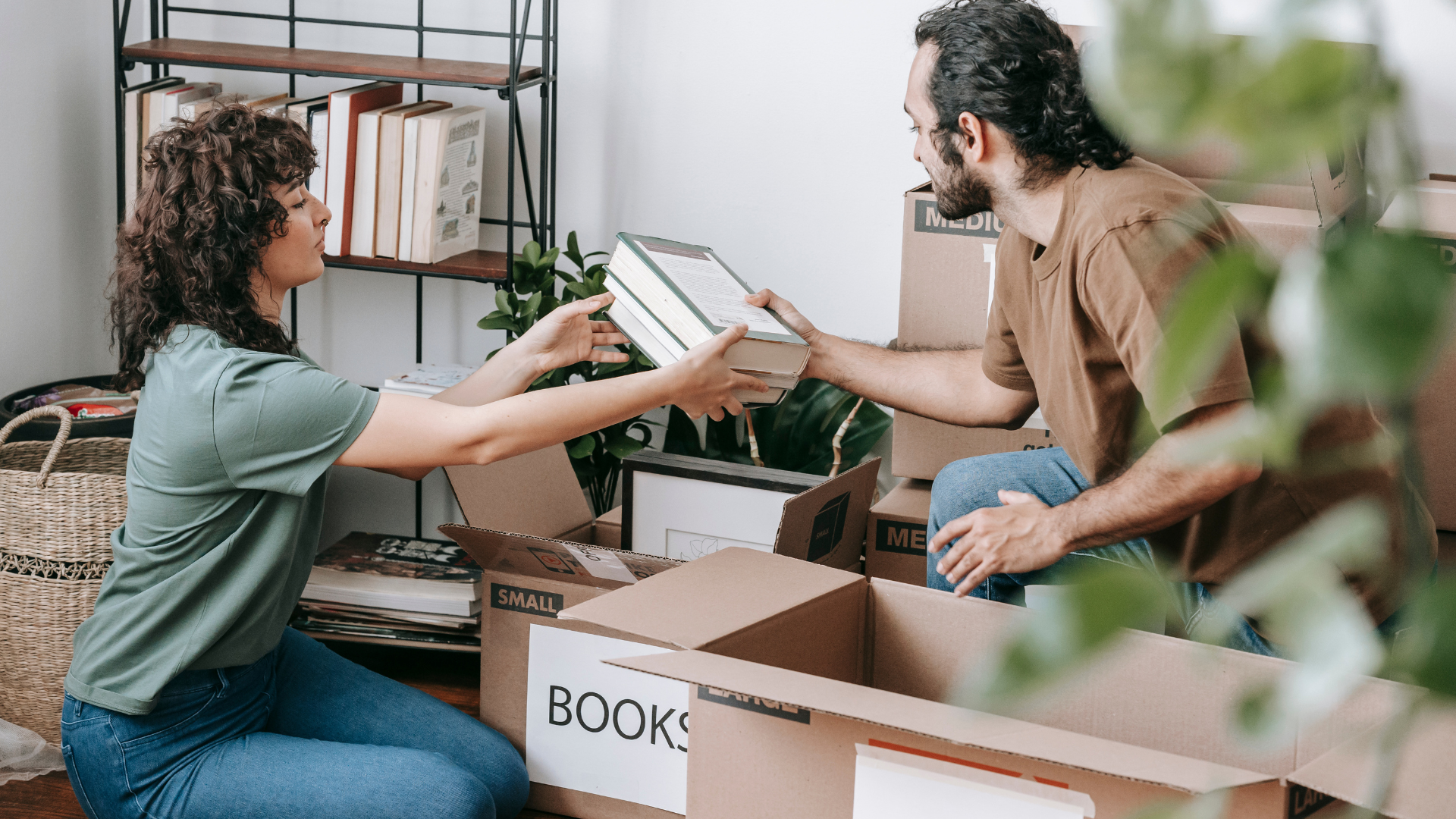
Kondo’s approach consists of five categories: clothes, books, papers, komono (miscellaneous items), and sentimental items. By following this sequence, individuals can gradually build confidence and clarity regarding their ownership decisions.
Storage solutions also play a critical role in this method. Items should be stored vertically to save space and be easily accessible. This practice not only leads to a tidy home but also cultivates an appreciation for the belongings kept.
Prioritizing Declutter Your Home Room by Room
Focusing on one room at a time simplifies the decluttering journey. Each room serves a different function and often has different accumulation patterns, making targeted efforts more effective.
Begin with high-traffic areas, such as the kitchen or living room, which often require immediate attention. Create specific tasks for each room, like sorting through pantry items or clearing out the living room’s clutter. This method fosters a sense of progress and encourages individuals to take ownership of shared spaces.
Consider implementing a ‘one in, one out’ policy. By ensuring that every new item requires discarding one old item, it keeps spaces manageable. Prioritizing areas can significantly reduce the overwhelming feeling often associated with clutter.
Smart Organizing and Storage Solutions
Effective organizing and storage solutions can transform cluttered spaces into peaceful, functional areas. By utilizing specific containers and systems, one can create an environment that encourages tidiness. The following sections provide practical strategies for maximizing storage and maintaining organization.
Maximizing Storage with Storage Bins and Containers
Storage bins and containers play a crucial role in organizing a home. They come in various sizes, shapes, and materials, allowing for flexibility based on individual needs.
- Choose Transparent Bins: These help identify contents easily, minimizing time spent searching.
- Label Everything: Clearly labeling bins encourages proper storage habits and makes it easier for everyone to find what they need.
- Stackable Options: Use stackable storage bins to save space vertically, maximizing storage in closets and shelving units.
Incorporating bins under beds or in closets utilizes often-wasted spaces effectively.
Implementing Efficient Organizing Systems
An efficient organizing system ensures that everything has a designated place. This system should be tailored to the household’s specific routines and needs.
- Establish Zones: Designate specific areas for similar items, such as books, toys, or office supplies. This practice simplifies the tidying-up process.
- Digital Inventory: For items stored out of sight, consider maintaining a digital list or photo inventory to keep track of what is stored where.
- Smart Furniture: Utilize multi-functional furniture, such as ottomans with storage or beds with drawers, to maximize capacity without sacrificing style.
These strategies create a seamless flow in the home, making it easier to stay organized.
Maintaining a Tidy Home with Simple Routines
Simple daily routines can significantly contribute to a tidy home. Implementing a few consistent practices makes an organization easier.
- The Five-Minute Rule: If a task takes less than five minutes, it should be done immediately. This reduces the buildup of clutter.
- Weekly Decluttering: Set aside a specific day each week for decluttering. This habit prevents items from accumulating.
- Daily Tidying Schedule: Incorporate a 10-15 minute tidy-up session at the end of each day to put away misplaced items and reset the space.
These routines not only promote cleanliness but also foster a sense of calm and order in the home.
Sustainable Decluttering: Donation, Recycling, and Beyond
Engaging in sustainable decluttering emphasizes making responsible choices when it comes to unwanted items. This process involves donating, recycling, and disposing of belongings in ways that minimize waste and benefit others.
How and Where to Donate Unwanted Items
Donation is a practical choice for items in good condition. Local charities, shelters, and community organizations often welcome household goods, clothing, and furniture.
To find a suitable donation center, individuals can consider:
- Local Thrift Stores: Such as Goodwill or Salvation Army.
- Homeless Shelters: Often need clothing, toiletries, and bedding.
- Animal Shelters: Accept items like towels and blankets.
Before donating, check the organization’s guidelines for accepted items. This helps ensure that contributions are useful and appreciated.
Selling Items Online and Using Platforms Like eBay
Selling items online can be a sustainable alternative to throwing things away. Platforms like eBay, Facebook Marketplace, and Craigslist provide opportunities to reach potential buyers easily.
Useful tips for selling include:
- Quality Photos: Clear, well-lit images attract more interest.
- Detailed Descriptions: Include item condition, brand, and dimensions.
- Set Fair Prices: Research similar listings to gauge appropriate pricing.
Successful sales not only declutter homes but also extend the lifecycle of items, promoting sustainability.
Responsible Disposal and Reducing Trash
For items that cannot be donated or sold, responsible disposal is essential. Understanding local waste management practices can aid in reducing trash effectively.
Options include:
- Recycling Programs: Most cities have designated recycling for paper, plastics, and electronics.
- Composting: Organic waste like food scraps can be composted.
- Hazardous Waste Facilities: For items like batteries and paints, check for local drop-off points.
This ensures that unwanted items do not contribute to landfill overflow while fostering a commitment to environmental responsibility.