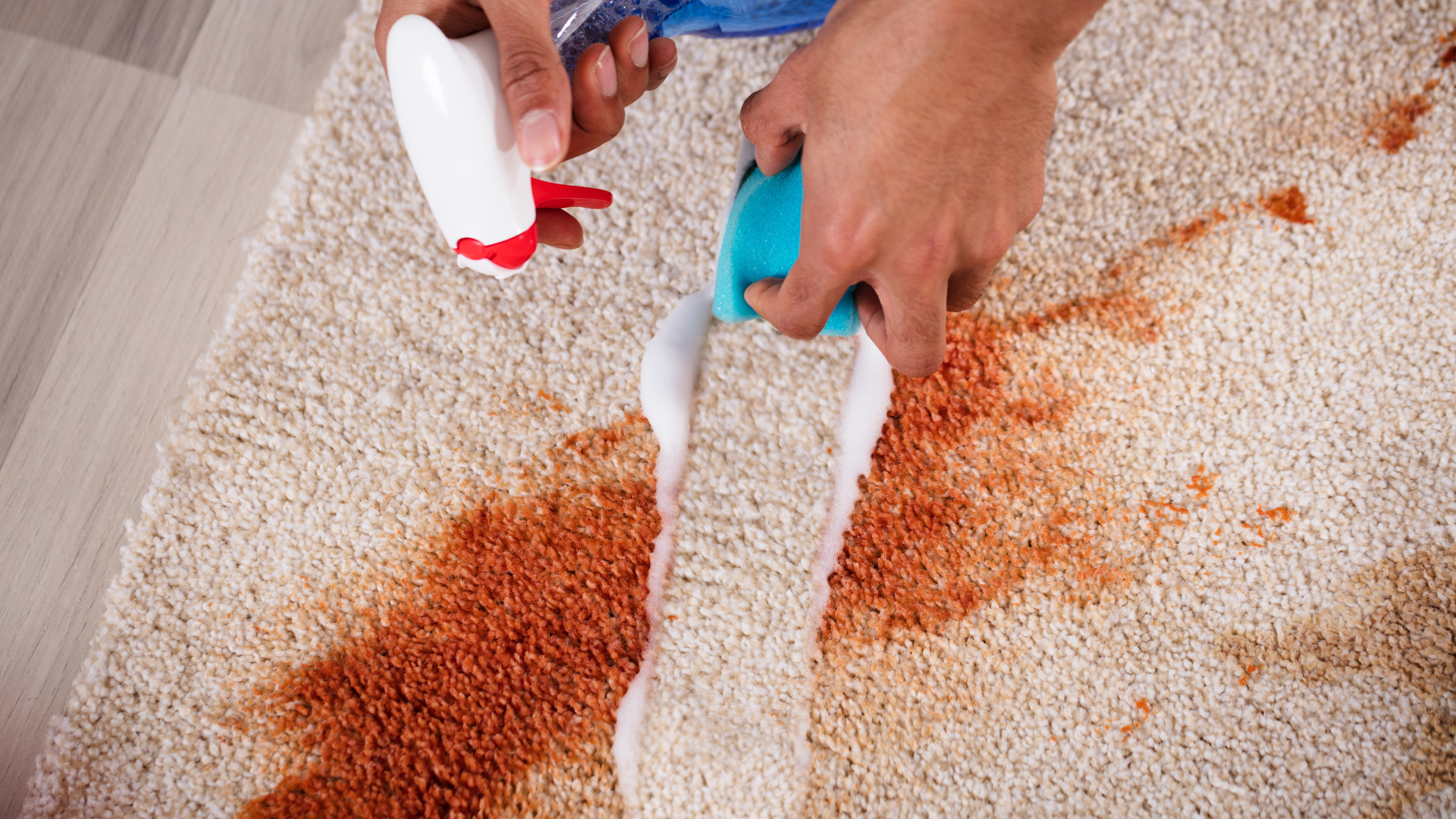
Carpet stains can happen unexpectedly and often need quick action to prevent permanent damage. The fastest way to remove carpet stains is to blot the stain immediately with a clean cloth and apply a suitable cleaning solution without scrubbing. This method helps lift the stain without spreading or embedding it further.
Different types of stains require specific treatments, but the general rule is to act quickly and avoid harsh chemicals that can damage carpet fibers. Understanding simple, effective steps can save time and keep your carpet looking clean.
Knowing how to address stains promptly can reduce stress and extend the life of your carpet. This article will guide you through straightforward techniques that work on common spills and marks.
Essential Supplies for Quick Carpet Stain Removal
Removing carpet stains efficiently requires the right cleaning products and tools. Using the correct stain removers, assembling the necessary equipment, and following safety steps ensure faster and more effective stain treatment.
Choosing Stain-Specific Cleaners
Different stains call for different cleaners. For example, enzyme-based cleaners work best on protein stains like blood and food. Oxidizing agents, such as hydrogen peroxide, can handle organic stains like wine or coffee, but should be tested on a small area first.
Avoid harsh chemicals like bleach, which can damage carpet fibers or colors. Keep a variety of cleaners on hand for pet stains, grease, ink, and dirt. Reading product labels helps target the stain type and avoid worsening the damage.
Assembling Essential Tools
A few basic tools can speed up stain removal. Always have clean white cloths or paper towels ready to blot without spreading the stain. A soft-bristle brush helps gently lift stains after applying the cleaner.
Use a spray bottle to apply liquids evenly and a small bowl or bucket for mixing cleaning solutions. Gloves protect hands, and a wet/dry vacuum can remove excess moisture quickly. Having these items organized saves time during cleanup.
Safety Precautions for Cleaning Products
Read all product labels carefully before use. Some cleaners contain chemicals harmful if inhaled or ingested and may cause skin irritation. Use gloves and ensure adequate ventilation during application.
Avoid mixing cleaning agents unless specified as safe by the manufacturer; combining chemicals like ammonia and bleach can produce toxic fumes. Store all cleaners out of children’s reach and promptly wash hands after cleaning to minimize risk.
Immediate Actions to Take When a Stain Occurs
Act quickly to limit damage and avoid setting the stain. Using the right technique and understanding the stain’s state can make removal easier.
Blotting Versus Rubbing Techniques
Blotting is the preferred method for removing carpet stains. Use a clean, white cloth or paper towel to gently press on the stain and soak up any liquid.
Avoid rubbing or scrubbing, which can spread the stain and damage carpet fibers. Rubbing also pushes the stain deeper, making removal harder.
Blot in a dabbing motion from the outside edge inward to prevent enlarging the stain area. Replace the cloth as it absorbs the stain to avoid reapplying it.
How to Prevent Stain Spreading
Contain the stain by acting immediately. Place absorbent materials, like paper towels, around the stain edges to stop it from spreading further.
Limit foot traffic on the stained area to prevent pushing the stain into the undamaged carpet. Use gentle pressure when cleaning to avoid embedding the stain.
Do not pour excessive water on the stain because over-saturating can cause the stain to spread or reach carpet padding.
Dealing with Wet Versus Dry Stains
Wet stains require immediate absorption by blotting to capture the liquid before it seeps deeper. Act within minutes to limit damage.
Dry stains should be loosened by gently scraping or vacuuming loose debris before attempting to clean. This prevents grinding the stain into fibers.
Adjust your cleaning solution based on the stain’s state; for example, wet stains often respond well to cold water, whereas dry stains may need a solvent-based cleaner.
Effective Methods for Common Carpet Stain Types
Different stain types require targeted treatments for effective removal. Using the proper cleaning agents and techniques quickly can prevent stains from setting deeply into fibers.
Tackling Food and Beverage Stains
For food and beverage spills, start by blotting excess liquid immediately with a clean cloth. Avoid rubbing, as this spreads the stain. Mix a solution of one teaspoon of dish soap and one cup of warm water.
Apply the solution gently with a sponge, working from the outside of the stain inward. After treatment, blot the area with cold water to rinse. For stubborn stains, use a mixture of equal parts vinegar and water, applying it in the same way.
Avoid over-wetting the carpet to prevent damage. Repeat the process if necessary, allowing the area to dry thoroughly between attempts.
Removing Pet Stains and Odors
Begin by absorbing any liquid with paper towels or a cloth. Use an enzymatic cleaner designed for pet stains to break down proteins causing odor and marks.
Apply the cleaner generously, following the manufacturer’s instructions, then blot. Avoid steam cleaning before removing stains, as heat can set the stain further.
For fresh urine, a cold water rinse followed by an enzymatic cleaner improves results. Sprinkling baking soda afterward helps neutralize odors as it dries. Repeat applications may be necessary for older or set-in stains.
Cleaning Ink and Marker Stains
Alcohol-based or permanent inks require isopropyl alcohol or a commercial ink remover. Test on a hidden carpet area first to check for colorfastness.
Apply alcohol on a white cloth, dabbing the stain gently without rubbing. Transfer the ink to the cloth, using clean areas of the cloth regularly. For marker stains, a solution of water and vinegar can be effective.
After treatment, rinse the spot with cold water and blot dry. Avoid harsh scrubbing that can damage carpet fibers and spread the ink.
Eliminating Grease and Oil Spots
Sprinkle baking soda or cornstarch on the grease spot and let it sit for 10-15 minutes. The powder absorbs oil, making it easier to remove. Vacuum or brush off the powder gently.
Next, apply a few drops of dishwashing liquid directly to the stain. Use a soft brush to work it into the fibers with warm water. Blot with a clean cloth until the stain lifts.
If grease remains, repeat the powder and detergent steps. Avoid using hot water early in the process, as it can set the oil stain permanently.
Advanced Spot-Treatment Strategies
Effective stain removal often requires targeted approaches. Different types of stains need specific treatments, and selecting the right cleaning agent or method significantly impacts results.
Using Enzyme Cleaners
Enzyme cleaners break down proteins, starches, and fats, making them ideal for organic stains like food, blood, and pet messes. They work by digesting the stain molecules at a microscopic level.
Apply the cleaner directly on the stain and let it sit for 10 to 15 minutes. Avoid scrubbing too hard to prevent carpet damage. Afterward, blot with a clean cloth and rinse lightly with water.
Enzyme cleaners are especially useful for older or set-in stains. Always check the cleaner’s label for carpet compatibility and test on a small area first.
Homemade Versus Commercial Solutions
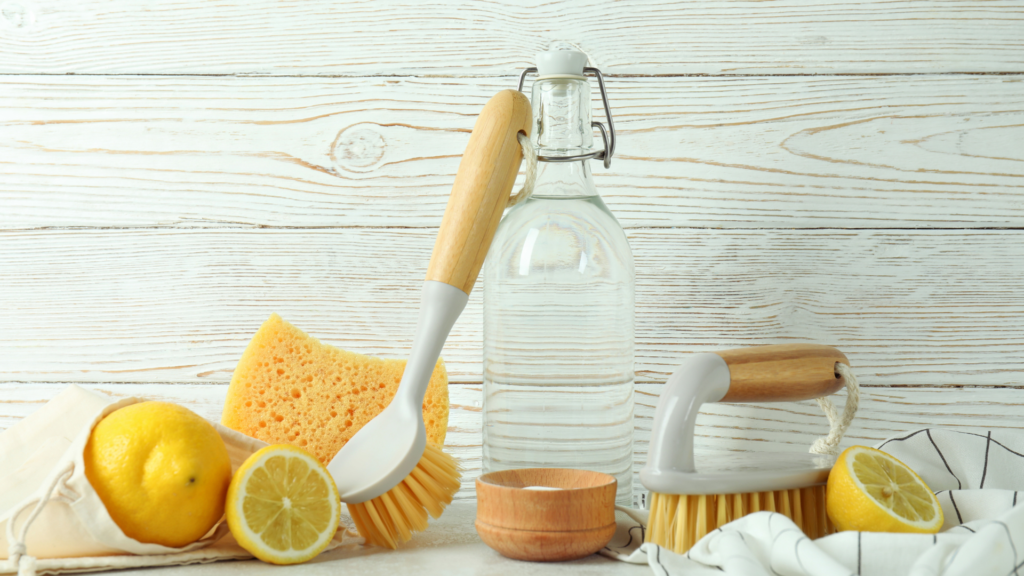
Homemade solutions like vinegar, baking soda, or dish soap can be effective for fresh or light stains. For example, a mixture of white vinegar and water (1:2 ratio) neutralizes odors and breaks down mild discolorations.
Commercial products often contain stronger agents and surfactants designed for specific stains. They offer consistency and may include protective ingredients to prevent resoiling.
Use homemade solutions when you need a quick, cost-efficient spot clean. Opt for commercial cleaners for stubborn or large stains to ensure deeper cleaning and prevent damage.
Steam Cleaning for Tough Stains
Steam cleaning uses hot water and pressure to remove deeply embedded dirt and stains. It can restore carpet fibers while sanitizing surfaces.
For spot stains, apply steam for 15 to 30 seconds per area, ensuring not to over-saturate the carpet. Use a handheld steam cleaner to target specific zones.
Steam is effective against oil-based stains and old spills that enzyme or chemical cleaners cannot fully remove. Always wait until the carpet dries completely to avoid mold growth.
Preventing Future Carpet Stains
Taking proactive steps can significantly reduce the chances of new stains forming on your carpet. Using protective treatments and managing high-traffic zones properly helps maintain carpet appearance and durability.
Applying Carpet Protectants
Carpet protectants create a barrier that resists spills and dirt buildup. Common options include silicone-based sprays and fluorochemical treatments. These substances work by repelling liquids and preventing fibers from absorbing stains.
To apply, ensure the carpet is clean and dry. Follow manufacturer instructions closely, typically spraying evenly and allowing the area to dry completely before use. Reapply protectants every 6 to 12 months, depending on carpet wear.
Avoid applying excessive amounts, as this can leave a residue that attracts more dirt. Protectants are not stain-proof, but make cleanup faster and more effective.
Best Practices for High-Traffic Areas
High-traffic areas wear down faster and attract more dirt. Placing rugs or runners over these sections limits direct carpet exposure. Choose mats with non-slip backings for safety.
Regular vacuuming with strong suction is essential. Vacuum at least twice a week and focus on entryways, hallways, and living rooms. Consider a vacuum cleaner with a HEPA filter to reduce dust.
Establish clear policies, such as removing shoes before entering carpeted rooms. Encourage spot cleaning immediately after spills to prevent stains from setting in hard-to-reach areas.
Routine professional deep cleaning every 12 to 18 months also extends carpet life in busy areas.
When to Seek Professional Carpet Cleaning
If a stain persists after repeated attempts with household cleaners, it may be time to call a professional. Some stains, like red wine, ink, or pet urine, can penetrate deeply and require specialized treatment to avoid permanent damage.
Carpets that cover large areas or have delicate fibers benefit from professional cleaning. This ensures thorough stain removal without risking damage from improper cleaning methods or harsh chemicals.
Consider professional help if the carpet shows signs of mold, mildew, or a lingering odor. These issues can indicate deeper contamination that home cleaning might not fully address.
| Signs Professional Cleaning Is Needed |
| Stains remain after home treatment |
| Large or delicate carpet materials |
| Presence of mold or persistent odors |
| High-traffic areas with embedded dirt |
Professional cleaners use industrial-grade equipment and solutions. This improves stain removal efficiency while protecting the carpet’s fibers and colors.
Routine professional cleaning every 12-18 months can maintain carpet appearance and hygiene, especially in homes with pets or children. This prevents buildup that leads to stubborn stains and wear.