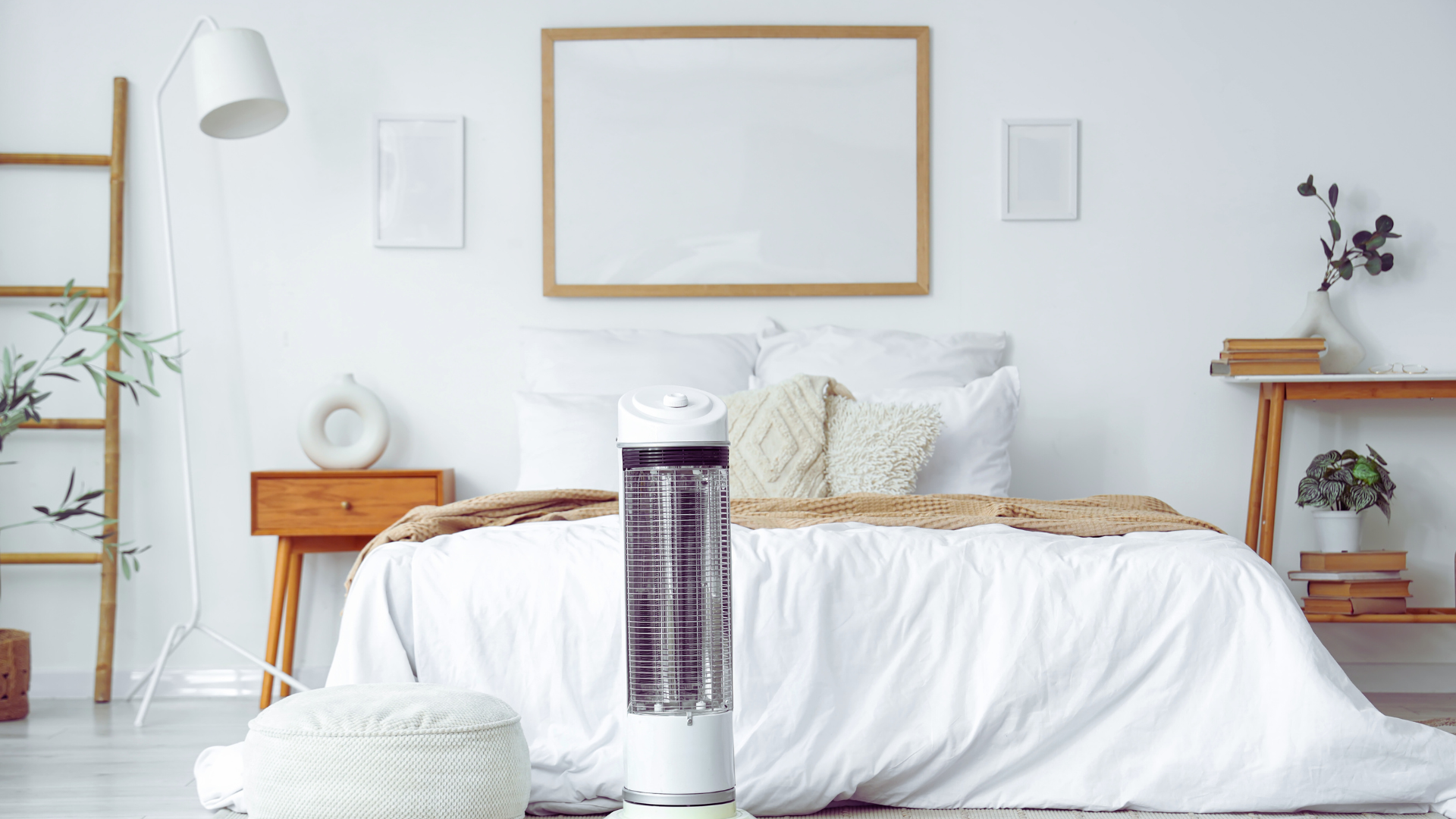
Choosing the right space heater for your bedroom can make a significant difference in comfort and energy efficiency. The best space heaters for bedrooms combine safety features, quiet operation, and effective warmth tailored to small spaces.
Factors like size, heating technology, and noise level are crucial when selecting a heater suited for restful sleep. This guide breaks down the top options that balance performance and safety, helping you find the ideal solution for your bedroom heating needs.
Top Space Heaters for Bedrooms
Selecting the right space heater involves balancing safety, efficiency, and the size of your bedroom. Features like thermostat control, quiet operation, and energy consumption are key factors for comfortable nighttime use. Below are options chosen to match different priorities and needs.
Best Overall Space Heaters
The Dyson Hot+Cool AM09 combines heating and cooling, with precise thermostat control and air multiplication technology. It uses a bladeless design for quiet operation, making it suitable for bedrooms. Safety features include an automatic shut-off if tipped or overheating occurs.
This heater efficiently warms medium-sized rooms and offers smart controls via a remote. Its price is higher, but durability and multi-season use justify the cost. Energy consumption is optimized through oscillation and focused airflow.
Best Value Space Heaters
The Lasko 754200 Ceramic Space Heater offers reliable ceramic heating at a budget-friendly price. It covers small to medium bedrooms and includes two heat settings plus an adjustable thermostat. Safety is good with overheat protection and a cool-touch exterior.
Its compact design fits bedside tables with reasonable noise levels for sleep. While it lacks smart features, it delivers consistent warmth and easy control. This heater appeals to those seeking effective heating without added cost.
Best Compact Space Heaters
The Vornado VH202 Personal Space Heater stands out for small spaces due to its compact size and efficient vortex circulation. It uses two heat settings and features an adjustable thermostat to maintain steady warmth.
The silent fan design supports minimal disturbance during sleep. Safety includes tip-over and overheat protection. It is lightweight and portable, perfect for dorm rooms or small bedrooms where space is limited.
Best Premium Space Heaters
The De’Longhi HMP1500 Mica Panel Heater targets users wanting quiet, radiant heat with a sleek design. It uses mica-thermic heating panels that warm room air without loud fans, suitable for noise-sensitive environments.
Its digital thermostat and programmable timer enhance energy efficiency. The heater also includes safety features like automatic shut-off and thermal cut-off. While pricier, it offers luxury and quiet comfort for cold bedrooms.
Key Features to Consider
Choosing a bedroom space heater involves understanding how well it fits your room, safety requirements, noise impact, and energy use. These factors affect comfort, convenience, and cost.
Heating Capacity and Room Size
Match the heater’s output with your bedroom size for efficient warmth. Look for models specifying coverage in square feet; generally, 10 watts per square foot is a good rule.
Smaller bedrooms (up to 150 sq. ft.) can use portable heaters with 750 to 1,000 watts. Larger spaces might need units with 1,500 watts or higher. Avoid undersized heaters that won’t warm effectively or oversized units wasting energy.
Check if the heater has adjustable thermostats and multiple heat settings. These allow you to fine-tune the temperature and avoid overheating, improving comfort and reducing energy costs.
Safety Features
Priority must be given to safety features to prevent fire risks and accidents in bedrooms. Look for certifications like UL or ETL, which indicate tested safety standards.
Essential safety elements include automatic shut-off when the unit tips over or overheats. Cool-touch exteriors protect skin on contact, especially important around children or pets.
Overheat protection sensors reduce the chance of electrical faults. Some heaters also feature timers to prevent running all night, minimizing hazards and lowering power use.
Noise Levels
Quiet operation is vital for bedrooms to avoid disturbing sleep or relaxing activities. Check manufacturer noise ratings, usually measured in decibels (dB); levels below 50 dB are typically considered quiet.
Fan-based heaters often produce more noise than ceramic or infrared models, which tend to be quieter. Digital controls without mechanical clicks also help reduce sound.
Consider heater placement; proximity to your bed affects how noticeable the noise will be. Reading user reviews about noise can provide realistic expectations beyond spec sheets.
Energy Efficiency
Energy efficiency helps save on electricity bills during prolonged use. Look for heaters with programmable thermostats and eco-modes that adjust power output automatically.
Models with ceramic or infrared technology generally offer better efficiency by heating objects and people directly instead of just warming air. This lowers wasted energy.
Check wattage settings; lower wattage options conserve energy when full power is unnecessary. Some units include timers and programmable schedules to avoid running the heater when not needed, increasing savings.
Types of Space Heaters
Space heaters come in various designs, each suited to different heating needs and room sizes. Some heat quickly and directly, while others offer longer-lasting warmth. Safety features and energy efficiency also vary between types.
Ceramic Heaters
Ceramic heaters use ceramic plates as their heating element. These plates heat up quickly and allow the fan to blow warm air across the room efficiently. Because they heat air directly, ceramic heaters provide a fast and effective way to warm a bedroom.
They often feature adjustable thermostats and oscillation to distribute heat evenly. Ceramic models tend to be compact and lightweight, making them easy to move and store. They usually include safety features like overheat protection and tip-over switches, which are essential for bedroom use.
Oil-Filled Radiators
Oil-filled radiators warm the oil inside the unit, which then radiates heat into the room over time. Though they take longer to heat up, these heaters provide steady and consistent warmth even after they’re turned off. This makes them energy-efficient and quiet.
They are typically larger and heavier than ceramic heaters, but do not use fans, reducing noise significantly. Oil-filled radiators are less likely to cause dry air since they heat by radiation instead of blowing hot air, which is preferable for bedrooms.
Infrared Heaters
Infrared heaters use infrared light to directly warm objects and people in their path. This method provides immediate warmth without heating the air first, making it highly efficient for personal heating zones.
They operate silently and can be especially useful in larger bedrooms or spaces with poor insulation. However, infrared heaters do not evenly heat the entire room since their warmth is directional. Most models include safety features like cool-touch surfaces and automatic shut-off.
Smart and Programmable Options
Smart and programmable space heaters offer convenience and efficiency through features like remote controls and precise thermostat settings. These options help maintain comfortable temperatures while saving energy and enhancing safety.
Remote Control Features
Remote control functionality lets users operate the heater from across the room or even outside the home via smartphone apps. This allows for turning the heater on or off, adjusting heat levels, and setting timers without walking to the unit.
Some models connect via Wi-Fi, enabling voice commands through smart assistants such as Alexa or Google Assistant. This is especially useful for bedrooms where comfort adjustments are frequent, and mobility may be limited.
When choosing a heater with remote control features, check for app reliability, connectivity range, and ease of use. Battery requirements or charging for physical remotes are also important considerations.
Thermostat Controls
Built-in thermostats regulate room temperature by automatically cycling the heater on and off to maintain settings. This reduces energy waste compared to manual operation.
Programmable thermostats allow users to set specific temperature targets for different times of the day or night. For instance, lowering the heat during sleep hours and raising it before waking.
Look for digital displays for clear temperature readouts and easy programming. Some models include adaptive learning to optimize heating patterns based on user habits. Accurate and responsive thermostats improve comfort and reduce utility costs.
Installation and Placement Tips
Proper installation and placement of space heaters are essential for efficient heating and safety. Positioning impacts both how well the heat spreads and the risk of accidents.
Safe Placement Guidelines
Always place the heater on a flat, stable surface away from foot traffic to prevent tipping. Maintain at least 3 feet of clearance from flammable objects such as curtains, bedding, and furniture.
Avoid placing heaters near water sources like sinks or bathtubs to reduce electrical hazards. Do not block air intake or outlet vents; this can cause overheating.
Use heaters with built-in safety features such as tip-over shutoff and overheat protection. Plug the heater directly into a wall outlet, not an extension cord or power strip.
Maximizing Heat Distribution
Position the heater near the room’s coldest corner or below a window to counteract drafts. Avoid placing heaters behind doors, as this limits airflow.
For even heat, aim the unit toward the center of the room. Use fans or ceiling fans on a low setting to help circulate warm air.
Keep doors open within the room to allow heat to flow freely, but close them to other rooms to concentrate heat where it’s needed.
Maintenance and Longevity
Proper care can extend the life of a space heater and ensure it performs safely. Regular cleaning and inspections help prevent common issues like dust buildup and electrical faults.
Cleaning Tips
Turn off and unplug the heater before cleaning to avoid any risk of electric shock. Use a soft brush or vacuum with a brush attachment to remove dust from vents and grills. Accumulated dust can block airflow and cause the heater to overheat.
Wipe external surfaces with a damp cloth, avoiding excess water near electrical components. Avoid using abrasive cleaners or solvents that may damage plastic parts. For models with filters, check the manufacturer’s instructions for cleaning or replacement intervals.
Routine Inspections
Regularly inspect power cords for cracks, fraying, or damage. Replace cords if any defects are found to reduce fire risk. Check the heater’s plugs and sockets for discoloration or burning smells, signs of electrical problems.
Test the heater’s safety switches and thermostats periodically to confirm proper function. Listen for unusual noises during operation, which could indicate mechanical issues. Keeping a maintenance log can help track inspections and repairs over time.
Energy Savings and Cost Considerations
Choosing the right space heater involves balancing energy use and costs. Knowing how different models operate and which features save power can affect monthly bills significantly.
Comparing Operating Costs
Electric space heaters typically consume between 750 and 1500 watts. Running a 1500-watt heater for one hour uses 1.5 kWh, which costs about $0.18 at the average U.S. electricity rate of $0.12 per kWh.
Infrared and ceramic heaters often have adjustable thermostats and energy-saving modes, reducing consumption by up to 30% compared to basic models running constantly.
Using a timer or thermostat limits heating to only when necessary, preventing wasted energy. Portable heaters also cost less to run than whole-room or central heating systems, making them efficient for individual bedrooms.
Eco-Friendly Options
Heaters with eco modes lower power output automatically when reaching set temperatures, reducing electrical demand. Some models incorporate renewable energy compatibility, like solar power adapters.
Advanced ceramic heaters and oil-filled radiators retain heat longer, requiring less frequent operation. This feature directly cuts energy use without compromising warmth.
Look for Energy Star-rated devices where available; they meet stricter efficiency guidelines. Additionally, non-electric options like propane heaters avoid electricity costs but require ventilation and safety precautions.
Conclusion
Choosing the right space heater for a bedroom depends on factors like room size, safety features, and energy efficiency. Models with automatic shut-off and tip-over protection add a layer of safety, especially important for overnight use.
Ceramic heaters are popular for their quick heating and steady warmth. Oil-filled radiators provide longer-lasting heat and are quieter in operation.
Price and design also influence your choice. Compact, lightweight heaters offer portability, while sleek models blend better with bedroom decor.
Key factors to consider:
- Safety features
- Energy consumption
- Noise level
- Heating capacity
Reviewing these points helps find a heater that fits personal needs without wasting energy. Regular maintenance and proper placement improve performance and safety.
Selecting a heater with adjustable settings gives control over heat output and comfort. Always follow manufacturer guidelines to avoid overheating or hazards.