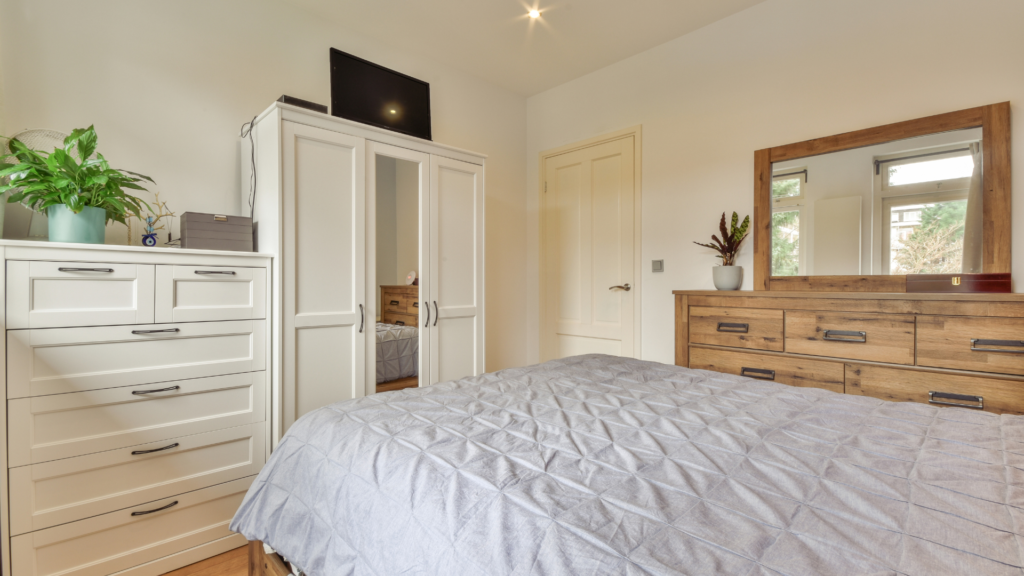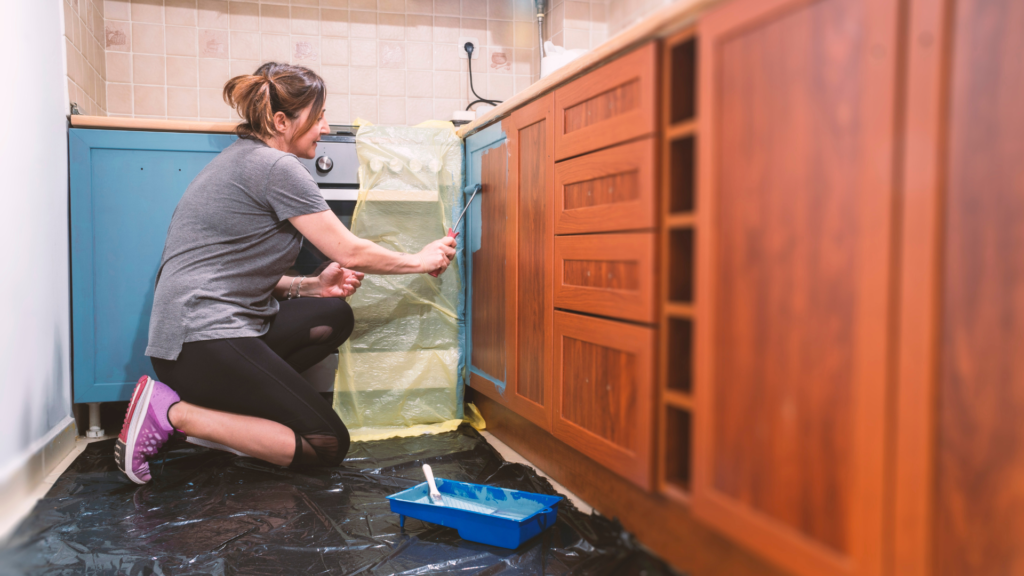
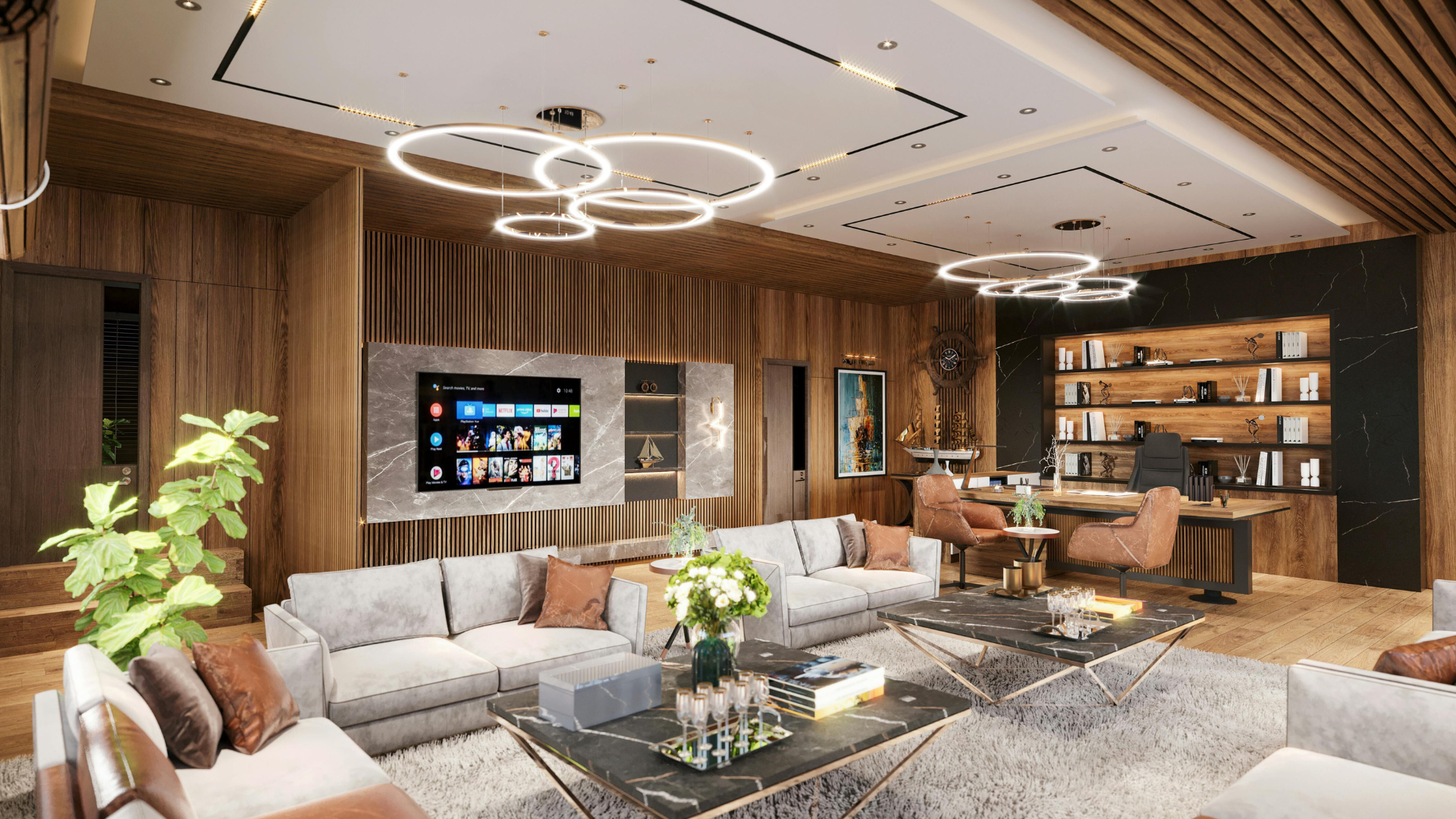
Modern home decor trends in 2026 focus on simplicity, sustainability, and personalization. Key elements include natural materials, muted color palettes, and multifunctional furniture designed to enhance both comfort and functionality. These trends reflect a growing desire for spaces that feel calm and purposeful.
Technology continues to influence home design with smart features seamlessly integrated into decor. Minimalism remains popular but now embraces warmth through textures and curated, meaningful objects rather than stark emptiness.
Understanding these trends can help you create a home that is both stylish and practical. This post will guide you through the most important updates to keep your living space current this year.
Defining Modern Home Decor in 2026
This year’s modern home decor prioritizes balance between functionality and aesthetic simplicity. It emphasizes sustainable materials, thoughtful layouts, and a clean, uncluttered atmosphere. Technology integration and personal expression also play crucial roles in shaping environments.
Core Principles of Modern Design
Modern decor in 2026 centers on minimalism with purposeful use of space. Every item is selected for function or design impact, avoiding excess. Natural light is maximized, enhancing openness and airiness.
Sustainability is integral, with eco-friendly materials like bamboo, recycled metals, and low-VOC paints preferred. Clean lines, neutral color schemes, and subtle textures maintain a calm and inviting environment. Versatility is key; furniture often features multi-functionality to adapt to changing needs.
Key Elements Shaping 2026 Trends
Smart home technology is seamlessly woven into design, from voice-activated lighting to automated climate control. These enhance comfort without dominating the space.
Textural contrasts—such as smooth glass paired with rough linen—add depth. Earth tones such as clay, muted greens, and soft greys reflect a shift toward nature-inspired palettes.
Decorative accents focus on artisanal craftsmanship and global influences, emphasizing individual stories over mass production. Plants are used strategically for both air quality and aesthetic appeal, often in sculptural pots.
Differences From Previous Years
Compared to earlier trends, 2026 moves beyond stark minimalism to incorporate warmth and personality. Rather than purely monochrome palettes, there is a stronger emphasis on layered, natural hues.
Technology use is more discreet and embedded rather than standout gadgets. Sustainable sourcing has become a baseline expectation, influencing every choice from furniture to textiles.
Functionality now blends with wellness—furniture supports ergonomic health, and spaces promote mental calm. This shift reflects broader lifestyle changes emphasizing balance and mindfulness.
Color Palettes and Materials for 2026
In 2026, color choices emphasize balance between calm and vibrancy, while materials prioritize environmental responsibility. Texture plays a key role in creating dynamic yet cozy living spaces.
Emerging Color Schemes
Soft earthy tones dominate, with shades like olive green, warm taupe, and sandy beige providing a neutral foundation. These colors create a relaxed atmosphere ideal for living areas and bedrooms.
Bold accents appear in mustard yellow, burnt orange, and deep teal. These hues add energy without overwhelming spaces, often applied to furniture or decor items.
Color blocking and gradient effects gained popularity, especially in wall designs and textiles. Designers focus on pairing muted backgrounds with vibrant splashes of color for visual interest.
Sustainable Material Choices
Recycled and upcycled materials are common, reflecting increased consumer demand for eco-friendly options. Bamboo, cork, and reclaimed wood offer stylish alternatives to traditional hardwood flooring and furnishings.
Natural fibers like organic cotton, hemp, and linen are favored for upholstery and curtains due to their breathability and lower environmental impact. These materials enhance indoor air quality.
Biodegradable plastics and bio-based composites also appear in decor accessories and lightweight furniture, combining modern design with sustainability goals.
Mixing Textures and Finishes
Combining matte, glossy, and metallic finishes is a popular approach to add depth and contrast. For instance, pairing a matte ceramic vase with brass or chrome accents balances subtlety and shine.
Textured fabrics like boucle and velvet provide tactile richness, often layered on smooth leather or polished wood surfaces. This interplay appeals to both sight and touch.
Natural textures such as woven rattan and stone are integrated into modern furnishings, reinforcing a connection to nature while maintaining clean lines and contemporary forms.
Furniture Trends Shaping Modern Interiors
Modern furniture balances practicality with striking design. It embraces flexible setups, statement pieces, and smart features that adapt to changing lifestyles.
Multifunctional and Modular Designs
Furniture that serves multiple purposes is a key trend in 2026. Sofas with hidden storage, fold-out beds, and expandable dining tables save space and add functionality.
Modular units allow customization to fit rooms of any size or shape. They can be rearranged to suit different needs, ideal for small apartments and open-plan living.
Materials like lightweight metals and engineered wood make these pieces easy to move. Consumers prioritize adaptability, seeking items that can evolve with their living arrangements.
Bold Silhouettes and Unique Forms
Furniture shapes are becoming more adventurous. Curved edges, oversized arms, and asymmetrical designs create eye-catching focal points.
Bold colors and mixed materials enhance these silhouettes. Velvet upholstery paired with metal legs or wood frames adds contrast and texture.
Designers often use geometric patterns or unexpected angles to challenge traditional forms. This approach combines comfort with visual interest, appealing to those wanting distinctive interiors.
Integration of Technology
Tech-enabled furniture is increasingly common. Desks with built-in wireless chargers, sofas with USB ports, and smart lighting controls are practical and modern.
Voice-activated features and energy-saving options improve usability and convenience. These pieces blend functionality with sleek style without overt technology.
The integration extends to health-focused designs, like ergonomic chairs with posture sensors. This trend supports wellness alongside everyday living needs.
Innovative Lighting in Modern Decor
Lighting in 2026 blends artistic design with advanced technology to enhance living spaces. It transforms rooms through impactful fixtures and automated systems that adapt to lifestyle needs.
Statement Lighting Fixtures
Bold, sculptural lighting pieces are central in modern home decor. Large chandeliers with geometric shapes or asymmetrical forms add visual interest and serve as conversation starters.
Materials like matte black metal, smoked glass, and brushed brass are popular. These fixtures often combine multiple light sources and adjustable arms, allowing customization of illumination and mood.
Designers prioritize both form and function, integrating LED technology for energy efficiency. Statement lights are typically positioned above dining tables, in entryways, or living rooms to draw attention.
Smart Lighting Solutions
Smart lighting systems offer precise control over ambiance and energy use. Users can adjust brightness and color temperature via apps or voice assistants, creating personalized environments throughout the day.
Features include motion sensors, automated schedules, and integration with other smart home devices. This technology supports circadian rhythms by mimicking natural light patterns, improving comfort and well-being.
Compatibility with platforms like Alexa, Google Home, and Apple HomeKit ensures seamless operation. Installation ranges from simple bulbs to fully integrated building systems, suitable for all home sizes.
Sustainable and Eco-Conscious Decor
Modern home design increasingly focuses on reducing environmental impact through thoughtful material choices and waste reduction. This trend emphasizes durable, responsibly sourced products and creative use of existing resources.
Environmentally Friendly Furnishings
Furnishings made from reclaimed wood, bamboo, and recycled metals dominate sustainable decor in 2026. These materials combine durability with reduced environmental footprint. FSC-certified wood ensures forest management aligns with ecological standards.
Many manufacturers now use non-toxic, water-based finishes to minimize indoor air pollution. Modular furniture encourages longevity by allowing pieces to be reconfigured or repaired rather than discarded.
Choosing second-hand or vintage furniture is also common, extending product life and cutting down on waste. Prioritizing craftsmanship over mass production enhances sustainability by reducing the need for frequent replacement.
Zero-Waste Accessories
Home accessories designed under zero-waste principles prioritize reusability and minimal packaging. Examples include ceramic planters, cloth storage baskets, and multipurpose decor items.
Products made from biodegradable or compostable materials, such as cork or organic cotton, are popular. Many brands now offer refillable candles and soaps to limit plastic use.
Upcycling is a key strategy, turning discarded items into functional decor. Labels indicating recyclable packaging and transparent supply chains help consumers make responsible choices.
Zero-waste accessories combine practicality with environmental care, fitting within a balanced, sustainable home aesthetic.
Popular Decor Accessories and Accents
In 2026, decor accessories emphasize craftsmanship, texture, and distinct visual appeal. The focus is on pieces that offer both functionality and artistic value, blending form and function seamlessly.
Artwork and Wall Features
Large-scale abstract paintings and mixed media pieces dominate, adding bold statements to living spaces. Botanical prints with muted color palettes remain trendy, lending a natural touch to minimalist rooms.
Wall shelves with geometric patterns serve dual purposes: displaying objects and acting as sculptural elements. Metal wall art in matte black or brushed gold finishes is popular for adding subtle shine without overwhelming a space.
Gallery walls combine framed photos, prints, and small 3D art objects to create personalized exhibits. Digital art frames that rotate images are increasingly common, offering versatility and reducing clutter.
Textiles and Rugs
Natural fibers like linen, wool, and jute are preferred for their durability and tactile appeal. Textiles feature subtle patterns such as linear stripes, soft geometrics, or organic shapes, supporting modern and rustic aesthetics.
Layered rugs in contrasting textures create depth; for example, a flatweave on top of a shag or a cowhide accent over a woven base. Earth tones dominate, with occasional rich accents like deep teal or burnt orange.
Throw pillows and blankets incorporate handwoven details, macramé, or fringe, adding a crafted, artisanal feel. Sustainable and ethically sourced textiles gain traction in consumer choices.
Sculptural Objects
Sculptural decor integrates natural materials such as stone, wood, and ceramic, prioritizing tactile and visual contrasts. Asymmetrical shapes and organic forms that mimic nature’s irregularities are favored.
Functional objects like sculptural vases and candleholders blend artistic design with everyday use. Metallic finishes—brass, copper, and matte black—reflect 2026’s interest in mixed metals for subtle elegance.
Decorative bowls, abstract figurines, and standalone art pieces act as focal points on shelves, tables, and mantels. Collectors seek limited-edition or handmade objects to ensure uniqueness.
Tech Integration in the Modern Home
Modern homes combine convenience and style through smart technology that enhances daily life without sacrificing design. Key aspects focus on seamless automation and devices that blend well with interior aesthetics.
Home Automation Essentials
Central hubs like Amazon Echo and Google Nest control lighting, climate, and security systems with voice commands or smartphone apps. These hubs often integrate with smart locks, thermostats, and surveillance cameras to automate routines and improve energy efficiency.
Automation setups frequently include sensors that detect motion or temperature changes, triggering predefined actions. For example, lights can turn off automatically when no activity is detected, reducing power use.
Homeowners prioritize ease of use and reliable connectivity. Wi-Fi 6 support and compatibility across multiple platforms ensure smooth operation and future-proofing.
Aesthetic Smart Devices
Smart devices now emphasize subtle design. Sleek finishes, neutral colors, and compact forms help these products blend into varied decor styles rather than stand out.
Popular examples include recessed speakers, touch-sensitive light panels, and minimalist smart thermostats. Manufacturers avoid bulky displays, favoring discreet LED indicators instead.
Materials like matte metals and textured plastics replace glossy surfaces to reduce glare and fingerprints. The goal is to integrate functionality with visual harmony, supporting both tech and decor goals.
Personalization and Individuality in Modern Spaces
Modern home decor increasingly reflects the unique tastes and lifestyles of its residents. This shift emphasizes meaningful choices, from handcrafted items to creative mixing of styles that capture personal history.
Custom and Handmade Pieces
Custom and handmade furniture and decor have become central to personalization. These pieces often feature unique materials, shapes, or finishes unavailable in mass-produced items. Buyers seek artisans who create bespoke tables, chairs, or lighting that fit both function and aesthetic demands.
Artisanship highlights the story behind each item, adding emotional value. Custom upholstery, engraved decor, and hand-painted ceramics bring depth and character to spaces. This approach also supports smaller businesses and sustainable production practices, aligning style with ethical considerations.
Blending Vintage With Contemporary
Mixing vintage pieces with modern designs enables distinct interiors. Vintage furniture or decor, such as mid-century chairs or retro lighting, adds texture and history. When paired with minimalist or industrial elements, it creates dynamic contrasts without clashing.
Key to this trend is balance. Using neutral palettes and clean lines allows vintage items to stand out without overwhelming a room. Accessories like vintage rugs or art also contribute subtle layers, anchoring spaces in both past and present aesthetics.
Outdoor and Indoor-Outdoor Living Spaces
Outdoor areas are evolving into functional living zones that extend comfort and style beyond walls. Practical design and durable materials now blend to create spaces for relaxation, dining, and entertaining.
Modern Patios and Balconies
Modern patios and balconies emphasize airflow, natural light, and weather resistance. Materials like treated wood, composite decking, and powder-coated metals are popular for longevity and low maintenance. Furniture combines comfort with outdoor durability, often featuring weatherproof cushions and modular designs.
Lighting plays a key role, with LED fixtures and solar-powered lamps integrated for energy efficiency. Planters with drought-resistant greenery or vertical gardens add texture and greenery without demanding excessive upkeep. Fire pits and compact heating units extend usability into cooler seasons, making the space functional year-round.
Seamless Transitions Between Environments
Sliding or folding glass doors are commonly used to blur the boundary between indoors and outdoors. These doors open wide to create a continuous flow, allowing natural light to flood interior spaces and promoting easy movement.
Flooring materials that can be installed both indoors and outdoors, such as porcelain tiles or polished concrete, strengthen visual cohesion. Matching color palettes and decor themes between spaces also supports this seamless transition. Smart climate control, such as retractable awnings and outdoor heating, further enhances comfort and usability, adapting the space to changing weather conditions.
Global Influences and Fusion Styles
Modern home decor in 2026 reflects a rich blend of cultural elements and international design movements. These trends are reshaping spaces through bold, diverse aesthetics and innovative combinations of styles that emphasize both heritage and contemporary expression.
Incorporating Diverse Cultural Elements
Homeowners increasingly integrate specific cultural artifacts and patterns into decor. Examples include Moroccan lanterns paired with Japanese minimalism or West African textiles combined with Scandinavian furniture. This selective blending adds uniqueness and visual interest without overwhelming the space.
Natural materials like bamboo, rattan, and handwoven fabrics from Asia, Africa, and South America are popular. They introduce texture and craftsmanship connected to traditional practices while fitting seamlessly into modern layouts.
Color palettes derived from indigenous art—such as vibrant Mexican terracotta or muted Nordic blues—define new focal points. The result is an accessible global style that respects origins while enhancing everyday living environments.
Emerging International Design Movements
Several design movements originating outside Western contexts are influencing global decor trends. Notably, Wabi-Sabi from Japan, emphasizing imperfection and natural aging, continues to inspire many minimalist interiors.
Similarly, Brazil’s ‘Tropical Modernism’ brings lush greenery and organic forms indoors, promoting biophilic design that supports wellbeing. These movements encourage sustainable materials and simplicity aligned with future-forward living.
Tables like this illustrate key influences:
| Movement | Region | Key Features | Popular Usage |
| Wabi-Sabi | Japan | Imperfection, simplicity | Ceramics, wood, neutral tones |
| Tropical Modernism | Brazil | Organic forms, natural light | Furniture, plant integration |
These international trends provide fresh perspectives, reshaping how modern homes balance aesthetics and function.
Future Directions for Modern Home Decor
Sustainability remains a key driver in home decor. Materials like reclaimed wood, recycled metals, and organic fabrics are gaining preference. Consumers increasingly demand eco-friendly products that do not sacrifice style or durability.
Technology will continue to influence design choices. Smart lighting, integrated sound systems, and adaptive furniture enhance functionality while maintaining minimalist aesthetics. Expect more homes to feature AI-powered devices that adjust ambiance automatically.
Color palettes are shifting toward earthy and muted tones. Shades of olive green, terracotta, and soft greys create calming environments. These hues complement natural materials and sustainable decor elements effectively.
Key trends to watch:
| Trend | Description | Impact |
| Biophilic Design | Incorporating nature through plants and textures | Improves well-being and air quality |
| Modular Furniture | Flexible, customizable pieces | Maximizes space and versatility |
| Minimalist Tech Integration | Smart devices hidden within decor | Enhances convenience without clutter |
Textiles will emphasize comfort and tactility. Plush textures, natural fibers, and handmade elements will add warmth to modern spaces.
In summary, the direction of home decor in 2026 focuses on blending sustainability, technology, and natural aesthetics to create balanced and practical living environments.