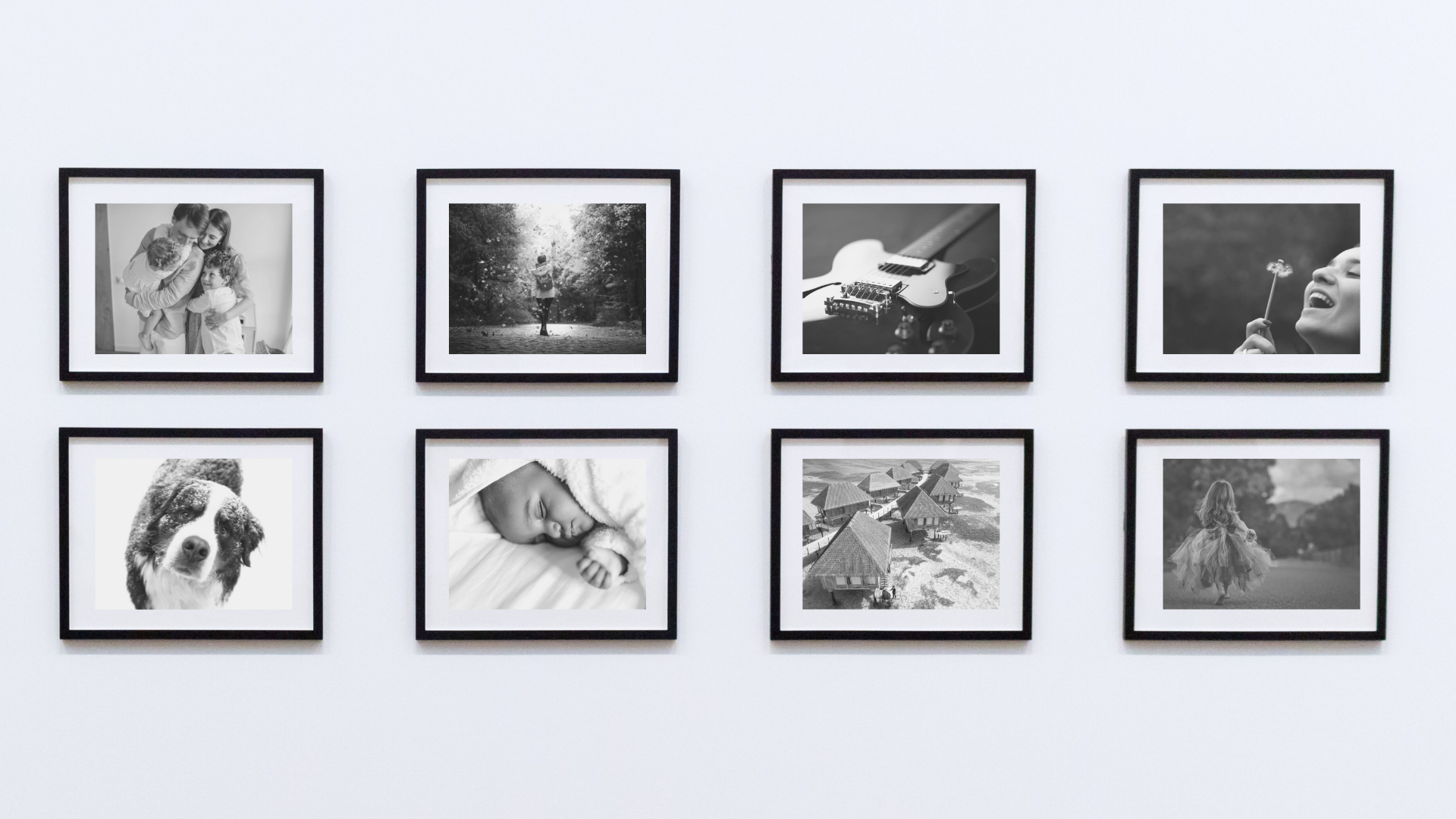
Creating a gallery wall is a fantastic way to personalize a space and express individual style through home decor. To successfully design a gallery wall, consider a cohesive theme that reflects personal tastes and complements the existing interior design. By selecting a mix of artwork, photographs, and decorative items, one can transform a blank wall into a vibrant focal point.
Attention to layout and spacing is crucial when constructing a gallery wall. He or she should experiment with different arrangements on the floor before committing, ensuring that the overall visual balance feels pleasing. Utilizing various frame styles and sizes can add depth and interest, making the gallery wall a dynamic part of the room.
Lighting also plays a significant role in showcasing the artwork. Well-placed lights can enhance colors and create an inviting atmosphere, while shadows can detract from the overall impact. With thoughtful consideration of these details, anyone can create a stunning gallery wall that enhances their living space.
Fundamentals of Designing a Gallery Wall
Creating an effective gallery wall requires a clear vision that ties together various art pieces and styles. Focus on selecting a unifying theme and a cohesive color palette to achieve visual interest and harmony in the design.
Selecting a Theme and Art Styles
Choosing a theme serves as the foundation of a gallery wall. Some common themes include nature, travel, or personal memories, which can help in selecting appropriate art styles.
Art styles can be traditional, contemporary, minimalist, or eclectic. Mixing different styles can enhance interest but should be done judiciously. For example, combining abstract paintings with black-and-white photographs often creates a dynamic effect.
Tips for selecting themes:
- Identify interests: Choose themes that resonate personally.
- Limit styles: Aim for a maximum of three different styles to maintain coherence.
Choosing a Color Palette and Visual Interest
A cohesive color palette is vital in a gallery wall’s design. It unifies diverse pieces and creates an inviting atmosphere. Picking a primary color with complementary hues can enhance the visual experience.
Consider the following approaches:
- Monochromatic: Utilize different shades of a single color for subtlety.
- Complementary: Choose colors that are opposite on the color wheel to create contrast.
Incorporate various sizes of art, like large statement pieces with smaller prints or photos, to add depth. Consider using frames of varying textures-like wood or metal-to enrich the overall visual interest.
Gallery Wall Layouts and Composition
Creating a well-thought-out gallery wall involves careful consideration of spacing, focal points, and the combination of different mediums. These elements contribute to an engaging and visually appealing display.
Understanding Spacing and Symmetry
Spacing is crucial for a cohesive look. An asymmetrical gallery wall typically requires equal space between frames. This approach creates balance and harmony, making it ideal for traditional spaces.
For an eclectic gallery wall, varying the spacing can introduce a sense of spontaneity. Frame sizes and orientations should still be considered. Use a mix of 2-4 inches between smaller pieces and 4-6 inches for larger ones.
To visualize the arrangement, lay items on the floor first. This method allows adjustments before securing them on the wall, ensuring the layout aligns with the intended design.
Creating a Focal Point
A strong focal point anchors the gallery wall. This can be an eye-catching piece, such as a large artwork or a striking photograph. It draws attention and serves as a starting point for arranging other pieces.
Choose the anchor piece based on size and visual interest. Position it at eye level for optimal viewing. Surround it with smaller frames to create a sense of unity.
Incorporating different frame styles can enhance the focal point of your space. For a modern look, combine sleek frames with textured ones. This contrast adds depth without overwhelming the primary piece. If you’re looking for unique options, explore various platforms for frames in London or in your local area, where you can find a wide variety of styles to suit any aesthetic.
Mixing Mediums for an Eclectic Gallery Wall
An eclectic gallery wall incorporates various mediums, such as photographs, paintings, and three-dimensional objects. Mixing these elements fosters a dynamic and personal display.
To effectively combine different mediums, consider color schemes and themes. For instance, using a consistent color palette can unify disparate items. Natural wood frames can ground the display while metal frames add a contemporary touch.
Incorporate textiles or small sculptures to introduce tactile elements. This engages viewers and adds intrigue. Remember to maintain balance by strategically placing heavier pieces to distribute visual weight across the wall.
The Art of Hanging and Framing Techniques
Creating an appealing gallery wall hinges on effective hanging and framing methods. By securing frames properly and utilizing creative techniques, one can enhance the overall look and feel of the display.
Securing Frames and Decor Pieces Safely
To ensure frames and decor pieces hang securely, selecting the right hardware is essential. Heavy-duty wall anchors and picture hooks provide stability for framed art and photographs. For lightweight pieces, adhesive strips can work well without damaging the wall surface.
Each frame should have two D-rings or sawtooth hangers for balanced support. This reduces the risk of tilting or slippage. Regularly check the integrity of the hangings, especially in areas with high traffic, to maintain a polished look.
Utilizing Kraft Paper for Layout Previews
Kraft paper serves as an excellent tool for planning a gallery wall layout. By tracing each frame onto the paper, one can test various arrangements before making permanent decisions. This method allows for easy adjustments without damaging the wall.
After creating the layout, tape the paper to the wall. This visual representation helps in adjusting spacing and alignment. It provides a clearer picture of how the final display will look, leading to a more cohesive gallery wall.
Innovative Framing Options
Exploring innovative framing options can transform a wall display. Mixing frame styles, such as sleek modern frames with ornate vintage ones, adds visual interest. Consider using floating frames for a contemporary look, where art appears to “float” between two sheets of glass.
Another option is using shadow boxes to add depth, particularly for three-dimensional decor pieces. These boxes allow for creative layering, showcasing items like memorabilia alongside traditional artwork. Using various frame depths can create dynamic visual layers on the wall.
Accessorizing Your Gallery Wall
Accessorizing a gallery wall enhances its visual appeal and creates a cohesive look. Thoughtful additions such as mirrors and sconces can provide depth and interest, while unique items sourced from flea markets can offer a personal touch.
Incorporating Mirrors and Sconces
Mirrors can transform a gallery wall by reflecting light and creating an illusion of more space. Decorative mirrors with interesting shapes or ornate frames serve not only as wall decor but also as significant conversation starters. Placing mirrors strategically can elevate the overall ambiance of a room.
Sconces are another valuable accessory. They provide ambient lighting and can be used to highlight specific pieces of art or decor. When choosing sconces, consider the style and finish to ensure it complements the surrounding artwork. Opting for matching sconces on either side of a larger piece can create balance.
Adding Unique Items and Flea Market Finds
Incorporating unique items into a gallery wall adds character and individuality. Flea market finds such as vintage art pieces, architectural salvage, or eclectic wall decor create a personalized narrative. These treasures bring a story to the display and can spark conversations among guests.
When selecting items, consider variations in texture and size. Mixing framed art with three-dimensional pieces keeps the wall engaging. Items like small sculptural objects or intriguing found objects can serve as focal points, drawing the attention of viewers and adding unexpected charm.