
Cleaning your oven naturally is simple and effective using common household ingredients like baking soda and vinegar. These natural cleaners break down grease and grime without harsh chemicals, making your oven safe and fresh.
Natural cleaning avoids toxic fumes and reduces environmental impact while still delivering a thorough clean. This method saves money and is gentle on your oven’s surfaces.
Understanding the right ingredients and steps to use can turn a dreaded chore into a quick, straightforward task. This guide will show how to clean your oven naturally with clear, easy-to-follow instructions.
Why Clean Your Oven Naturally
Choosing natural cleaning methods helps reduce exposure to harsh chemicals, lowers environmental harm, and can save money. It also supports safer indoor air quality and decreases waste.
Health and Safety Benefits
Natural cleaning products avoid toxic fumes common in conventional oven cleaners. Ingredients like baking soda and vinegar pose fewer risks to respiratory health, especially for those with asthma or allergies.
Harsh chemicals can linger on oven surfaces and contaminate food during cooking. Using natural solutions ensures no harmful residues remain, reducing ingestion risks.
Additionally, natural cleaners are generally safer to handle, lowering the chance of skin irritation or accidental poisoning. This is important when cleaning areas frequently touched, like oven racks and doors.
Environmental Impact
Most chemical oven cleaners contain substances that can harm water sources after disposal. Natural ingredients such as lemon juice and baking soda break down more easily and do not pollute waterways.
Reducing chemical use helps decrease the volume of hazardous waste in landfills. It also lowers airborne toxins inside the home, contributing to better indoor air quality.
Natural cleaning methods usually require fewer plastic containers or aerosols, cutting down on packaging waste and carbon footprint over time.
Cost Savings Compared to Chemical Cleaners
Natural cleaning ingredients are often inexpensive and commonly found in households. Baking soda, vinegar, and lemon juice cost less per use than commercial oven sprays.
Homemade mixtures can be made in bulk, reducing repeated purchases. This lowers overall spending on cleaning supplies throughout the year.
Using natural cleaners also reduces potential medical costs related to chemical exposure, such as treating skin or respiratory problems caused by harsh oven cleaners.
Essential Supplies for Natural Oven Cleaning
Natural oven cleaning requires specific ingredients and tools designed to remove grease and grime effectively without harsh chemicals. These supplies combine to break down residues and make the cleaning process safer and eco-friendly.
Natural Cleaning Agents to Use
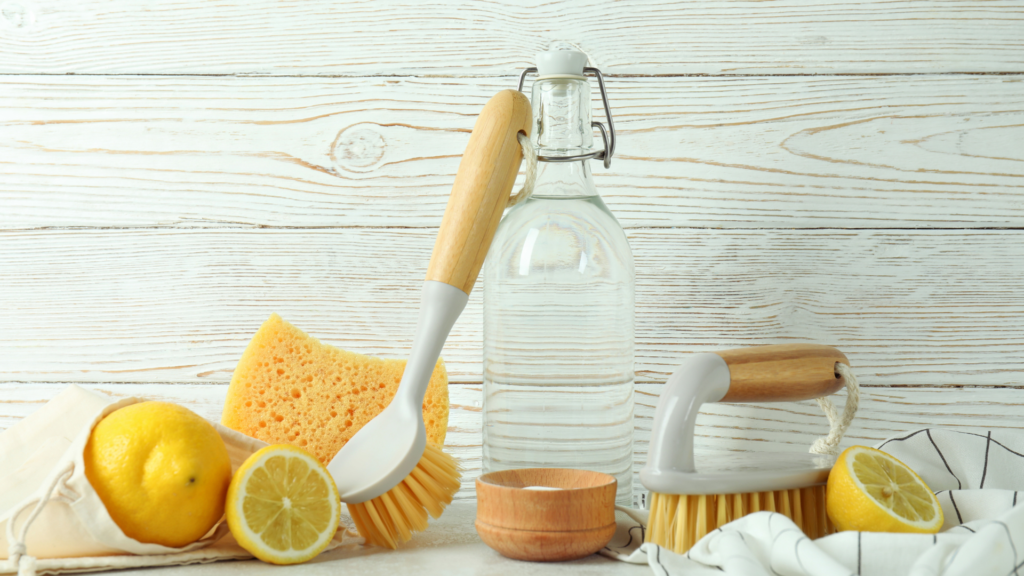
Baking soda is the primary natural agent for oven cleaning because of its mild abrasive properties. It can loosen baked-on food and grease without scratching surfaces. White vinegar works as a natural degreaser and disinfectant. Spraying it after applying baking soda helps create a foaming reaction that lifts dirt.
Lemon juice, rich in citric acid, offers a fresh scent and additional grease-cutting power. Castile soap can be used in small amounts for extra cleaning strength. Avoid commercial cleaners with synthetic chemicals to maintain safety and environmental benefits.
Tools and Materials Needed
A spray bottle is essential for applying vinegar or lemon juice evenly over the oven surfaces. Use a microfiber cloth or sponge to wipe away loosened grime gently. For tougher spots, a plastic or silicone scraper helps remove residue without damaging the oven.
Rubber gloves protect the skin from irritation caused by baking soda and vinegar. A small bowl or container is helpful to mix the baking soda paste with water. Having paper towels or old rags on hand assists with drying and polishing the oven after cleaning.
Step-by-Step Guide to Natural Oven Cleaning
Cleaning an oven naturally involves preparing the space, mixing an effective cleaning solution, applying it properly, and tackling tough stains with simple techniques. Each part works together to restore your oven without harsh chemicals.
Preparation and Safety Precautions
Start by removing any oven racks and trays to ensure full access to the interior. Wipe loose debris with a damp cloth before applying any cleaner.
Ensure the oven is completely cool and unplugged, or turn off its power source, to avoid electrical hazards. Open windows or use a fan for ventilation to keep the air fresh.
Wear rubber gloves to protect your skin from prolonged contact with natural acids or abrasives. Avoid using metal scrubbers that can damage the oven’s surface.
Lay down old towels or newspapers around the oven base. This will protect your kitchen floor from drips and debris during cleaning.
Mixing Your Natural Cleaning Solution
A common, effective mix includes 1 cup of baking soda with 2-3 tablespoons of water. Stir until it forms a thick paste.
For added grease-cutting power, add 2 tablespoons of white vinegar or lemon juice after mixing the paste. These natural acids help break down buildup.
Use a spray bottle for the vinegar or lemon juice to apply it evenly to tough spots. Alternatively, you can sprinkle baking soda first, then spray with vinegar for controlled bubbling.
Adjust the water amount in the paste for consistency. It should be spreadable but not too runny, allowing it to cling to oven surfaces for several hours or overnight.
Applying the Cleaner to Oven Surfaces
Spread the baking soda paste over the oven interior, focusing on greasy areas, burnt spots, and glass doors. Use a damp cloth or your hands (with gloves) for even application.
Avoid applying the paste to heating elements or electrical components to prevent damage. Cover all flat surfaces thoroughly, including walls, floor, and ceiling inside the oven.
Let the paste sit for at least 4 hours to break down grease and burnt food residues. For stronger grime, leave it overnight.
After resting, spray vinegar or lemon juice lightly on any remaining dry baking soda patches to activate the cleaning reaction.
Removing Stubborn Stains and Grease
Use a damp sponge or nylon scrubbing pad to wipe off the paste and grime. Apply firm pressure but avoid scratching the oven surface.
For particularly tough spots, dip the sponge in warm water with a few drops of natural dish soap. This helps loosen dried-on residue.
Rinse your sponge regularly to avoid spreading dirt. Wipe repeatedly until all is clean and stains are gone.
Finally, dry the oven interior with a clean microfiber cloth. Replace racks and trays, then run the oven on a low temperature for 15 minutes to evaporate any moisture.
Cleaning Oven Racks and Accessories
Oven racks and accessories require specific cleaning methods to remove baked-on grease and food residue effectively. Using natural ingredients and simple tools can make the process both efficient and safe for your oven components.
Soaking and Scrubbing Techniques
Begin by removing the racks and placing them in a large container or bathtub filled with hot water. Add a cup of baking soda and a few drops of liquid dish soap to help break down grime.
Let the racks soak for at least 2 hours or overnight for heavy buildup. After soaking, use a non-abrasive scrub brush or sponge to scrub off loosened residue, paying attention to corners and crevices.
Rinse thoroughly with clean water and dry the racks completely before returning them to the oven, preventing rust.
Natural Deodorizing Methods
To neutralize odors, sprinkle baking soda directly onto the racks after rinsing. Let it sit for 15-30 minutes before wiping it off with a damp cloth.
Alternatively, use a vinegar spray—mix equal parts white vinegar and water in a spray bottle. Apply the solution, then wipe to remove lingering smells and grease traces.
Both methods reduce harsh chemical use while restoring freshness to your oven accessories.
Finishing Up and Maintaining a Clean Oven
After cleaning, it is important to remove any cleaning residues and ensure the oven is completely dry. Regular maintenance helps prevent buildup and keeps the oven functioning efficiently.
Rinsing and Drying
Use a damp cloth or sponge to wipe away any remaining baking soda, vinegar, or lemon residue inside the oven. Pay attention to corners and crevices where powder can linger.
After wiping, rinse the cloth with clean water and repeat until the oven interior feels residue-free. Do not use harsh chemicals for rinsing; plain water is sufficient.
To dry the oven, either leave the door open for several hours or use a dry cloth to absorb moisture. Moisture left inside can cause rust or affect oven performance.
Natural Maintenance Tips
Wipe the oven interior weekly with a mixture of water and white vinegar in a spray bottle to keep grease and grime from accumulating. This prevents tough buildup that requires heavy cleaning.
Avoid spills by using oven liners or trays when cooking. These protect surfaces and simplify cleanup.
For ongoing freshness, place a small bowl of baking soda inside the oven (when off and cool) to absorb odors. Replace the baking soda every few weeks.
Common Mistakes to Avoid When Cleaning Your Oven Naturally
Using natural cleaning methods requires precision with ingredients and care to protect all parts of the oven. Mistakes in application or product choice can cause damage or reduce cleaning effectiveness.
Incorrect Use of Natural Ingredients
Many people misuse natural cleaners like baking soda or vinegar by applying too much or mixing them improperly. For example, a thick paste of baking soda left on for too long may be difficult to remove and leave residue. Vinegar should never be mixed directly with baking soda in the oven because the reaction happens too quickly and can create an ineffective cleaner.
Avoid spraying vinegar on heated surfaces, as this can cause fumes or discoloration. Use measured amounts and test a small hidden area first. Natural ingredients require patience—scrubbing aggressively can negate their effects and damage oven coatings.
Damaging Sensitive Surfaces
Oven interiors often include enamel, glass, or self-cleaning coatings that require gentle care. Using abrasive scrubbing pads or harsh natural acids like lemon juice can scratch or degrade these surfaces.
Focus on soft cloths or non-abrasive sponges during cleaning. Avoid persistent scrubbing on self-cleaning ovens since natural cleaning agents may interfere with their protective layers. Always consult the oven manual to confirm which natural products are safe for your model to prevent long-term damage.
When to Consider Professional Natural Oven Cleaning
If your oven has thick layers of burnt grease or stubborn stains that homemade natural cleaners can’t remove, it might be time to call a professional. Professionals have access to specialized tools and natural cleaning solutions designed for deep cleaning without harsh chemicals.
Natural cleaning methods take time and patience. When you lack the time or ability to thoroughly clean the oven, professional services can save effort while still ensuring an eco-friendly approach.
Use professional services if you notice persistent odors or if your oven’s interior is damaged or corroded. Professionals can assess the condition and use safe techniques to restore cleanliness without causing harm.
| Signs to Choose Professional Cleaning | Reasons |
| Stubborn grease buildup | Deep cleaning tools and solutions |
| Lack of time or physical ability | Saves time and effort |
| Lingering odors despite natural cleaning | Specialized odor neutralizers |
| Oven damage or corrosion | Safe handling and expert assessment |
Natural professionals emphasize eco-safe techniques. Confirm that the company uses non-toxic, biodegradable products. This ensures the service aligns with your desire for natural oven cleaning.
Considering these factors helps decide when professional natural oven cleaning is the right choice.