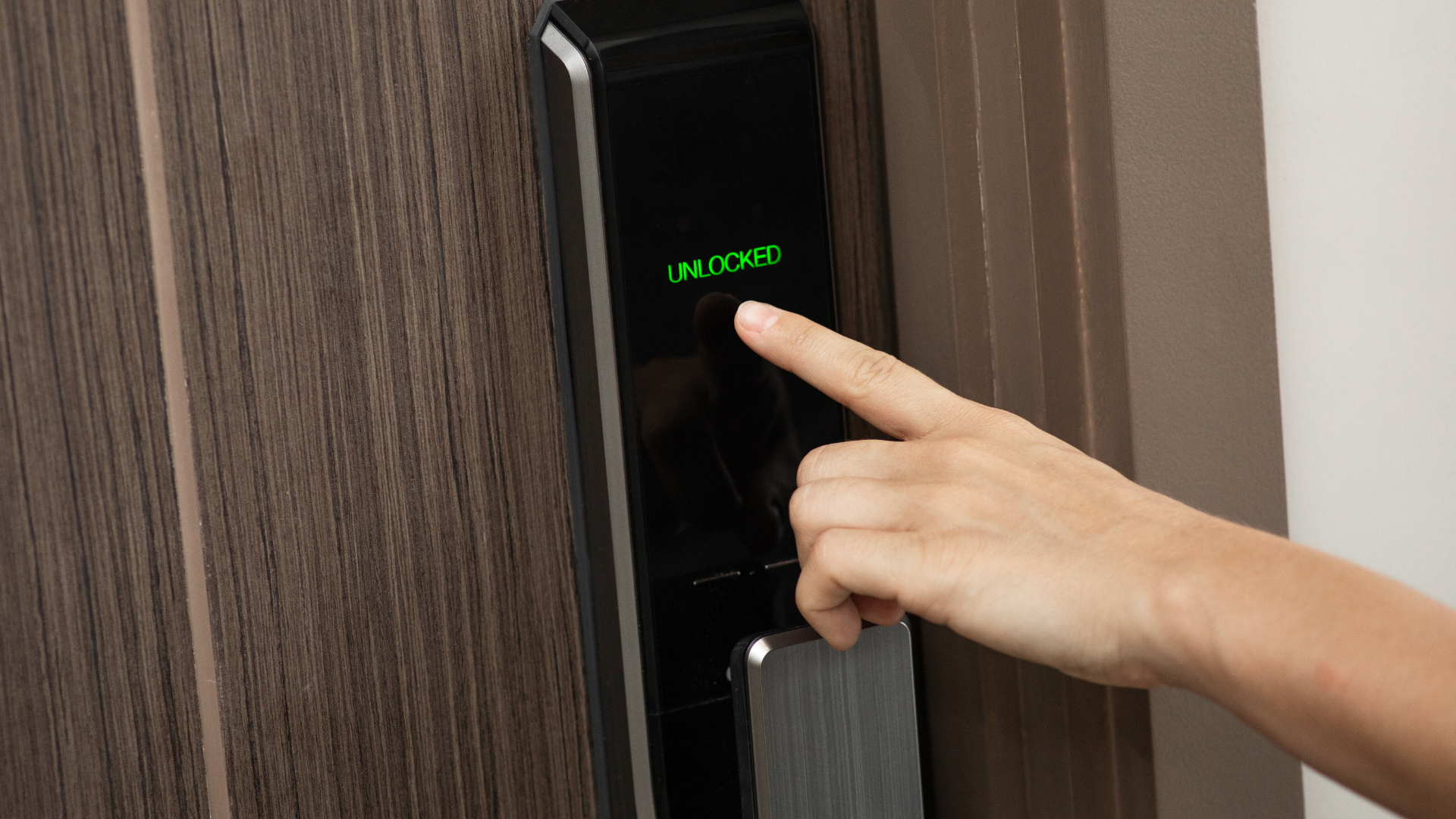
Upgrading to a smart lock can significantly improve security and convenience for apartment dwellers. The best smart locks for apartments combine easy installation with robust security features and keyless entry options. These locks work well in rental settings where permanent modifications are limited.
Choosing the right smart lock depends on factors like compatibility with your door type, whether you want remote access, and how you prefer to share entry codes. Understanding these details will help you select a lock that adds both safety and flexibility to your living space.
This article reviews models that balance security, user-friendliness, and renter-friendly installation methods. Knowing which smart locks fit the unique challenges of apartment living will help you make an informed decision.
Top Smart Locks for Apartments
Smart locks suitable for apartments balance convenience, security, and ease of installation. Some models excel in offering robust security features, while others prioritize affordability or keyless entry.
Best Overall Smart Locks
The August Wi-Fi Smart Lock stands out for its simple setup and compatibility with most deadbolts. It supports remote access via Wi-Fi, voice commands through Alexa, Google Assistant, and Apple HomeKit, and features auto-lock/unlock functionality.
Its compact design fits over existing locks, requiring no drilling, ideal for renters. The accompanying app allows temporary digital keys for guests, enhancing security and flexibility. Battery life typically lasts three to six months with normal use.
Best Budget-Friendly Smart Locks
The Wyze Smart Lock provides essential smart features at a competitive price. It works with existing deadbolts and offers app control, auto-unlock, and guest access. Though it doesn’t support as many integrations as premium models, it covers core needs well.
This lock requires a hub for remote control, which may add a slight cost but ensures responsive operation. Installation is straightforward, fitting most standard doors, making it an excellent choice for renters on a budget.
Best High-Security Smart Locks
For maximum security, the Ultraloq UL3 BT delivers multiple unlocking methods, including fingerprint, keypad, and smartphone app. Its metal build and ANSI Grade 1 certification underline durability and robustness.
The lock offers one-touch fingerprint access, reducing risks of code sharing. It supports temporary codes for guests and logs entry history. Battery life is about six months, with alerts for low power to maintain uninterrupted security.
Top Keyless Smart Locks
The Schlage Encode Smart Wi-Fi Deadbolt offers fully keyless access with built-in Wi-Fi, eliminating the need for external hubs. The touchscreen keypad supports up to 100 unique user codes, which is helpful for multiple tenants or frequent visitors.
It integrates with Amazon Alexa and Google Assistant for voice control. Installation requires replacing the existing deadbolt but does not demand professional help. The lock also sends real-time alerts about door status and entry attempts.
Key Features to Consider
Choosing the right smart lock involves evaluating how well it fits your door, the complexity of installation, security options, and its compatibility with other devices. Each aspect impacts convenience and safety differently depending on the apartment setting.
Compatibility with Apartment Doors
Not all smart locks fit standard apartment doors. It’s essential to check if the lock suits your door type—whether it’s a deadbolt, knob, or lever handle. Many smart locks are designed for single-cylinder deadbolts, common in apartments.
Measure the door thickness, backset (distance from edge to center of the hole), and ensure the lock works with your door’s material. Some locks require specific door frame conditions, so verify if your door frame can accommodate the installation without damage or modification.
Check if the smart lock supports bilingual lock mechanisms or security chains often found in apartment doors. Avoid locks that need extensive drilling or remodeling, which is often restricted in rental agreements.
Ease of Installation and Removal
Apartment dwellers often need smart locks that install quickly and leave no permanent damage. Look for lock models that use the existing deadbolt hardware and don’t require changing the strike plate or drilling new holes.
Many smart locks offer a tool-free or screwdriver-only setup, taking less than 20 minutes. Choose those with clear instructions and minimal wiring. The ability to remove the lock easily is important, especially if moving out.
If a lock needs professional installation, consider the added cost and time. Temporary or non-invasive locks can be ideal for renters who want smart security without risking their deposit.
Access Methods and Security
Smart locks vary in how they grant entry. Options include keypad PINs, Bluetooth, Wi-Fi, fingerprint, or physical keys. For apartments, multiple access methods enhance flexibility and security for residents and guests.
Consider locks with temporary or one-time access codes for visitors. Bluetooth or Wi-Fi-enabled locks allow remote control but require strong encryption to prevent hacking.
Look for features like auto-locking, tamper alerts, and anti-picking tech. Locks with two-factor authentication or integration with security systems offer added protection against unauthorized access.
Smart Home Integration Options
Connecting a smart lock to your home automation system extends functionality. Common protocols include Wi-Fi, Zigbee, Z-Wave, and Bluetooth, each varying in range and power consumption.
Choose locks compatible with major voice assistants like Alexa, Google Assistant, or Apple HomeKit if you prefer voice commands. Some models offer seamless integration with home security systems and cameras.
Check if the lock’s app supports multiple users and real-time notifications. Integration with smart lighting or routines can enhance convenience, such as turning on lights when you unlock the door.
Security and Privacy
Security and privacy are critical when choosing a smart lock for an apartment. Strong encryption, robust user controls, and clear activity tracking are key factors that protect against unauthorized access and keep residents informed.
Encryption and Vulnerability Protections
Smart locks use advanced encryption protocols, such as AES-128 or AES-256, to secure communication between the lock, smartphone, and cloud servers. These protocols prevent hackers from intercepting or tampering with data.
Many models include two-factor authentication (2FA) to add an extra security layer. Firmware updates are essential for fixing vulnerabilities, so smart locks with regular automatic updates reduce exposure to threats.
Locks often employ tamper alarms and physical protections against lock picking or forced entry. Devices with proven security certification, like those tested under industry standards, offer greater confidence.
User Access Controls
Effective user access management is vital for apartment security. Smart locks typically support multiple user profiles with customizable permissions.
Users can grant temporary or scheduled entry rights for guests, cleaners, or maintenance workers without sharing permanent codes. Access can be revoked instantly using an app.
Some locks allow biometric verification, such as fingerprint or facial recognition, to restrict access further. Integration with building management systems can also centralize control for apartment complexes.
Activity Monitoring and Alerts
Most smart locks provide detailed logs of entry attempts and door status. Users receive real-time alerts via app notifications or email for events like door unlocks, failed attempts, or low battery warnings.
These features allow residents to monitor access and spot suspicious behavior promptly. Some systems also offer integration with security cameras for synchronized monitoring.
Activity reports can help track usage patterns and improve overall safety by identifying irregular or unauthorized activity quickly.
Installation and Maintenance
Smart locks for apartments often need to balance ease of installation with durability. Power sources and mounting options vary greatly, so choosing the right features can reduce hassle and ensure smooth operation over time.
No-Drill and Removable Options
Many smart locks designed for apartments offer no-drill installation, minimizing damage to doors and avoiding landlord permission issues. These models typically attach using adhesive pads or replace only the interior side of the deadbolt hardware.
Removable designs enable easy relocation when moving out. For example, the August Smart Lock attaches over the existing deadbolt and can be detached without affecting the door’s exterior. Such locks are ideal for renters who want security without permanent modifications.
Adhesives and mounting hardware must be strong enough to support the lock’s weight and usage. Installation instructions should be clear, requiring only basic tools like screwdrivers. This makes setup possible for non-experts while maintaining security standards.
Battery Life and Power Options
Smart locks commonly use AA or rechargeable lithium-ion batteries, with typical lifespans ranging from 6 to 12 months. Battery status alerts via apps help prevent unexpected lockouts by notifying users well before power runs out.
Some locks offer alternative power solutions, such as USB charging ports or compatibility with external battery packs. This flexibility extends operational time in emergencies.
Replacing batteries generally involves removing the lock’s interior cover, designed for easy access. It’s important to choose locks with straightforward battery replacement procedures to reduce maintenance effort.
Always check specific battery requirements and lifecycle when purchasing. This affects how often maintenance is needed and the lock’s overall convenience in daily use.
Renter-Focused Considerations
Renters must navigate restrictions on modifications and find smart locks that fit short-term living situations. Ease of installation and the ability to manage temporary users are key factors to consider for apartment settings.
Landlord Permissions and Lease Compliance
Before installing a smart lock, confirm that your lease or landlord allows modifications to the existing lock system. Many landlords require written permission since changing locks can violate lease terms or security policies.
If permission is granted, choose smart locks that do not require drilling or permanent alterations. Models with adhesive mounts or those that retrofit over existing deadbolts reduce the risk of violating lease agreements.
Documentation of any changes made to the lock system is advisable. Always restore the original lock setup when moving out to avoid disputes or charges for lock replacement.
Temporary Access for Guests and Deliveries
Renter-friendly smart locks should support limited-time access codes or virtual keys to accommodate visitors and service personnel. This feature enhances security by restricting entry to specific time windows.
Look for smart locks with mobile app control that allows you to send temporary access remotely. This is useful for granting access to guests or delivery workers without needing to be home.
Some models include activity logs, letting you monitor who enters and when. These records add an extra layer of security and accountability, important in shared or multi-unit buildings.
Comparison of Popular Brands
Each brand offers distinct features suited for apartment living. Factors like installation type, smartphone integration, and security levels differ across models.
August
August smart locks are known for easy retrofit installation, fitting over existing deadbolts without requiring door changes. This makes them ideal for renters who cannot alter door hardware.
They support Auto-Lock and Auto-Unlock features through Bluetooth, allowing hands-free entry and added convenience. August’s app integrates well with Alexa, Google Assistant, and Apple HomeKit.
The DoorSense sensor notifies users if the door is securely closed. August locks use 4 AAA batteries, lasting around six months under typical use. Guest access can be shared temporarily or permanently via the app.
Yale
Yale smart locks emphasize robust security and multiple access options. Models often include keypads, Bluetooth, and Wi-Fi connectivity for remote control.
Yale’s Assure Lock series features touchscreen keypads with anti-tamper technology. Integration with Z-Wave, Zigbee, or Wi-Fi hubs enables connection to broader smart home systems.
Installation typically requires replacing the entire deadbolt, which might not be allowed in some apartments. Battery life ranges from six months to one year, depending on the model and usage.
Yale locks offer scheduled access and alerts for door activity. Emergency physical keys are also included for backup entry.
Schlage
Schlage smart locks combine mechanical durability with modern smart features. The Encode model, for example, integrates Wi-Fi directly, eliminating the need for additional hubs.
Keypad entry with customizable codes is standard, supporting up to 100 user codes on some models. This is useful for tenants and visitors with temporary access needs.
Installation involves full deadbolt replacement but is typically straightforward for users comfortable with basic tools. Schlage provides alerts for lock activity and low battery.
Compatibility includes Amazon Alexa and Google Assistant, but Apple HomeKit support is limited. Battery life generally lasts about one year.
Troubleshooting and Support
Most issues with smart locks involve connectivity, battery life, or app functionality. Knowing quick fixes and where to find help can save time and frustration.
Common Issues and Solutions
Battery Drain
Low battery alerts are common. Replace batteries with recommended types promptly to avoid lockouts. Use high-quality alkaline or lithium batteries for longer life.
Connectivity Problems
If the lock won’t connect to Wi-Fi or Bluetooth, restart the router and toggle the lock’s wireless function. Ensure firmware and app versions are updated.
App Malfunctions
Reinstall the app or clear the cache to fix slow or unresponsive behavior. Confirm smartphone compatibility with the lock’s software requirements.
Lock Jams or Mechanical Failures
Lubricate the bolt periodically with graphite powder, not oil. Realign the lock or door if the latch doesn’t engage smoothly.
Customer Support and Warranty
Most manufacturers offer 1 to 2-year warranties that cover defects but not physical damage or battery issues. Check warranty terms before purchase.
Customer support is usually accessible via phone, email, or chat. Expect response times of 24-72 hours, depending on the brand.
Many brands provide online resources like FAQs, video tutorials, and user manuals. These can guide troubleshooting and installation.
Keep purchase receipts and register your product for faster service and warranty claims.
Future Trends in Apartment Smart Locks
Smart locks are evolving to offer deeper integration with home ecosystems. Future models are likely to support multi-protocol connectivity, including Wi-Fi, Bluetooth, and emerging standards like Matter, improving compatibility and reliability.
Biometric verification, such as fingerprint or facial recognition, will become more common. This adds a layer of security while reducing the need for physical keys or passcodes.
Another trend is AI-powered security features. Smart locks may soon include behavior analysis to detect unusual entry patterns, alerting residents or property managers to potential security threats.
Energy efficiency is also on the rise. Battery life improvements will reduce maintenance, with some locks potentially using energy harvesting technologies to power themselves.
| Trend | Impact on Apartment Living |
| Multi-protocol support | Better smart home integration and control |
| Biometric verification | Enhanced, hands-free security |
| AI security features | Proactive threat detection |
| Energy efficiency | Reduced battery changes and downtime |
Cloud-based access management will streamline guest and service provider entry. Temporary digital keys and access logs will provide convenience and improved property management tools.
Overall, smart locks will continue to balance security, convenience, and integration, making them increasingly suitable for apartment settings.