
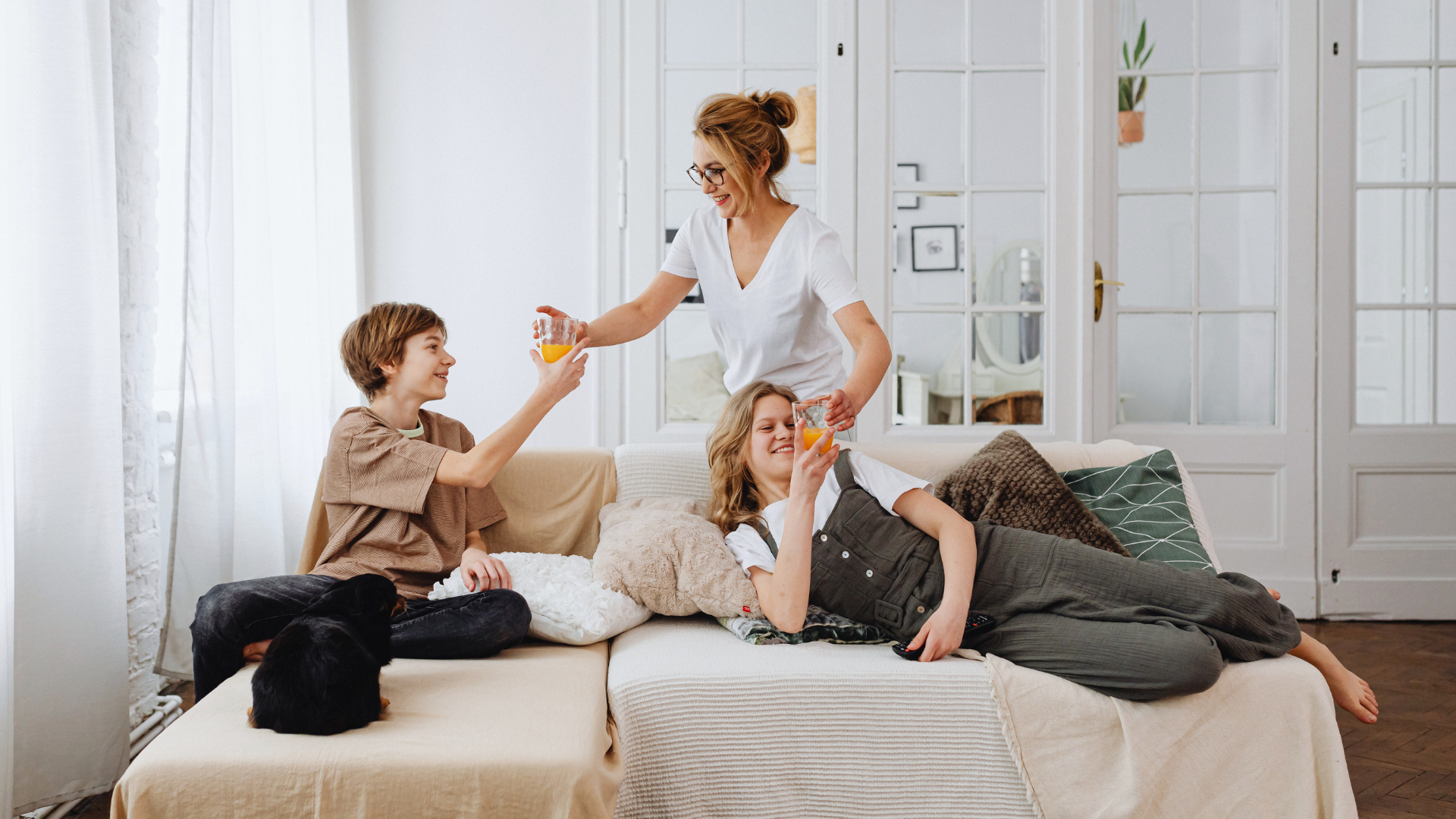
Creating a family-friendly living space involves balancing comfort, safety, and style. If you have just moved into a new home after searching far and wide for your dream property by checking out homes for sale in College Station, TX, or elsewhere, then you want to create a space that makes you feel proud when you open the door.
A well-thought-out living space not only enhances daily family interactions but also accommodates the diverse needs of every family member. By considering practical design solutions, such as kid-friendly furniture and flexible layouts, families can cultivate an environment where everyone feels at home.
The living room, as the heart of the home, plays a crucial role in this transformation. A family-friendly living room should prioritize durability and ease of maintenance while still looking inviting. Simple changes, like selecting robust materials and incorporating ample storage, can create a space that stands up to the wear and tear of family life without sacrificing aesthetics.
Incorporating elements that inspire connection and creativity fosters a welcoming atmosphere. Thoughtful décor and multifunctional spaces encourage family bonding and play. With a focus on these aspects, any family can design a living area that nurtures growth, relaxation, and happiness.
Designing a Functional Layout
A well-planned layout enhances family interactions and ensures every member has a suitable space for activities. This section discusses strategies for maximizing open areas, creating versatile environments, and including adaptable spaces in a family-friendly living area.
Maximizing Open Floor Plans
Open floor plans promote connectivity, making them an ideal choice for families. They allow seamless transitions between living, dining, and kitchen areas, fostering communication and togetherness.
Strategically placing functional furniture can optimize these spaces. For instance, consider:
- Sofas with built-in storage: They provide seating and help organize toys and blankets.
- Extendable dining tables: These accommodate larger family gatherings while saving space for daily use.
Additionally, using rugs can define zones, helping to create a sense of order without closing off areas.
Creating Multi-Functional Spaces
Multi-functional spaces adapt to various needs and activities. In a home, certain areas can serve multiple purposes, enhancing usability.
For example, a home office can transform into a play area when not in use. Key furniture choices include:
- Foldable desks: Easily tucked away when needed.
- Murphy beds: They provide guest accommodations without taking up floor space.
Incorporating storage solutions that blend with design can further enhance these areas, making the most out of available square footage.
Incorporating Flexible Areas
Flexible areas cater to the dynamic needs of family life. These spaces must easily transition to accommodate different functions throughout the day.
One effective approach is using multifunctional furniture. Consider:
- Ottomans with storage: These can serve as seating or footrests and provide hidden storage.
- Modular seating: It allows for rearrangement based on family activities or gatherings.
Designing spaces that allow easy rearrangement keeps the environment fresh and adaptable. By including features like movable partitions, families can create privacy when needed while maintaining an open feel.
Selecting Appropriate Materials and Furniture
Creating a family-friendly living space requires careful consideration of materials and furniture that can withstand daily use while being safe for children. The focus should be on durability, ease of cleaning, and maximizing space.
Choosing Durable and Easy-to-Clean Materials
When selecting materials, durability is essential. Options like vinyl flooring or laminate are resilient against spills and scratches. Such materials are also easy to maintain, as they can be wiped down quickly.
For surfaces like tables and countertops, consider quartz or granite. These materials resist stains and are less prone to damage compared to wood. Choosing washable area rugs can also enhance comfort while being easy to clean.
Additionally, it is advisable to avoid materials that show wear quickly, like untreated wood or delicate fabrics. Going for robust materials ensures longevity, making them suitable for homes with children.
Opting for Kid-Friendly and Durable Fabrics
Choosing fabrics also plays a significant role in maintaining a family-friendly atmosphere. Microfiber and polyester blends are excellent choices due to their stain-resistant properties and durability.
Look for tightly woven fabrics that are less likely to absorb stains. Outdoor fabrics can also work well indoors, as they are designed to resist wear. When purchasing upholstered furniture, verify if the fabric has been treated for additional stain resistance.
Additionally, durability does not mean sacrificing style. Many companies offer a range of attractive options in durable materials, ensuring that comfort and aesthetics coexist without compromise.
Utilizing Vertical Space with Built-In Shelving
Maximizing vertical space is crucial, especially in smaller homes. Built-in shelving can provide ample storage for books, toys, and decorative items without taking up much floor space.
When designing built-in shelves, consider adjustable options to accommodate changing needs as children grow. This flexibility allows for a functional and organized living area.
Also, integrating multi-functional furniture, such as benches with storage or ottomans that hold items inside, can enhance the utility of the space. This approach not only declutters but also creates an inviting environment for family activities.
Fostering Family Interaction and Play
Creating an environment that encourages family interaction and play can enhance relationships and promote bonding. Thoughtful planning of seating and play areas plays a crucial role in achieving this.
Establishing Comfortable Seating Areas
Comfortable seating areas are essential for fostering family interaction. Arrange stylish sofas and cozy armchairs in a way that encourages conversation and connection. Visit a luxury furniture showroom in Amersham, or another trusted location to explore a range of options and find the perfect fit for your home.
Also, incorporate a range of other seating options, such as bean bags, floor cushions, or recliners. These variations accommodate different preferences and ages, making everyone feel included.
Add a central coffee table for games, snacks, or crafts to enhance interaction. Keeping this area inviting with warm colors, soft textures, and adequate lighting will strengthen family connections and make it a natural spot to gather.
Designating a Dedicated Play Area
A dedicated play area benefits families with children, providing a focused space for play and creativity. This zone should be away from distractions, ensuring kids can engage freely.
Creating a safe and comfortable play area also involves careful consideration of flooring. Incorporating soft and durable flooring options often creates a safe environment for children. So, consider options that are easy to clean and provide cushioning for falls. For a wide selection of flooring solutions suitable for play areas, you might consider exploring retailers like America’s Floor Source, which typically offers various options tailored to different needs.
Additionally, organizing toys in bins or shelves promotes a tidy environment, making it easy for children to locate and return items. Incorporating multifunctional furniture, such as a storage ottoman, can maximize space and support various activities, from building blocks to arts and crafts, encouraging imaginative play and family interaction.
Enhancing Aesthetics and Organization
Balancing beauty and practicality is crucial in creating a family-friendly living space. A harmonious environment can be achieved through careful color selection, thoughtful decorations, and efficient storage solutions while ensuring the space remains welcoming.
Creating a Cohesive Color Palette
Establishing a cohesive color palette sets the tone for the entire living space. Choosing a combination of colors that work well together promotes a sense of unity.
Key points to consider:
- Neutral Bases: Start with neutral shades like beige, gray, or soft whites for larger surfaces.
- Accent Colors: Introduce accent colors through cushions, rugs, or artwork. Shades like teal or mustard can invigorate the space without overwhelming it.
- Natural Light: Ensure the palette complements the natural light available. Light colors can brighten a room, while darker ones add depth.
Selecting colors that reflect the family’s personality while maintaining visual harmony contributes to a balanced atmosphere.
Adorning Walls with Family Photos
Family photos serve not only as decoration but also as emotional anchors in a home. Displaying them in an organized manner can enhance both aesthetics and sentiment.
Suggestions for display:
- Gallery Wall: Create a gallery wall using a mix of frame sizes and styles. This adds visual interest.
- Chronological Arrangement: Arrange photos chronologically to tell a story. This can turn a mere wall into a narrative of memories.
- Artistic Touches: Incorporate decorative elements like clocks or mirrors between pictures to break the monotony.
Using frames that align with the chosen color palette will maintain cohesiveness throughout the space.
Choosing Smart Storage Solutions
Effective storage solutions play a vital role in maintaining an organized living space. Families benefit from functional systems that blend seamlessly into the room’s design.
Storage options to incorporate:
- Multifunctional Furniture: Look for furniture pieces that offer hidden storage, such as ottomans or coffee tables with shelves.
- Built-ins: Adding built-in shelving can maximize space and provide a designated area for books, toys, and decorative items.
- Clear Bins: Using clear or labeled bins allows quick identification of items, keeping clutter at bay while making the organization visually appealing.
Investing time into choosing the right storage options will ensure the living area remains tidy and family-friendly.
Crafting an Organized Living Room
An organized living room fosters a welcoming environment for family activities. This space should reflect both comfort and order.
Strategies for the organization include:
- Defined Zones: Establish different zones for activities, like reading, play, or relaxation. Use rugs to differentiate these areas visually.
- Slipcovers for Protection: Utilizing slipcovers on sofas is beneficial for both aesthetics and practicality. They can be removed and washed, protecting the furniture and maintaining a fresh look.
- Decluttering Ritual: Regular decluttering sessions can help maintain order. Encourage all family members to participate, making tidiness a shared responsibility.
By integrating these strategies, the living room can become a serene space conducive to family bonding while remaining visually appealing.