
Creating a productive home office space is essential for anyone looking to enhance their work efficiency from home. A well-designed home office not only improves productivity but also ensures comfort, allowing individuals to focus and feel energized during their work hours. By incorporating the right elements, such as ergonomic furniture and effective organization, one can transform any area into a conducive work environment.
However, it’s not just about the furniture and organization. The environment itself tends to play a huge role in comfort and productivity. Climate control, for example, is crucial to maintaining a comfortable workspace. A well-functioning air conditioning and heating system is essential for maintaining a comfortable temperature, ensuring focus throughout the year.
Proper maintenance helps prevent issues like poor airflow or inconsistent temperatures that can disrupt your focus. But what happens when your AC system fails when you need it most? If you find yourself facing that uncomfortable situation, it might be time to research options for reliable air conditioning repair tulsa (or your local area) to ensure your home office remains a comfortable and productive space.
In addition to the setup and climate control, personal touches can greatly enhance motivation and satisfaction in your workspace. Adding elements that reflect your style or inspire you can help create a space that is both welcoming and unique. By thoughtfully balancing functionality and comfort, you can foster a work environment that is not only productive but also enjoyable.
Establishing boundaries within the home is another critical aspect. Creating a designated work area helps differentiate between professional and personal time, promoting a clearer mindset for focused work. With thoughtful planning and design, anyone can create a home office that enhances both comfort and productivity.
Designing Your Productive Home Office Space
Creating an effective home office space requires careful selection of furniture and attention to lighting. Each element plays a crucial role in enhancing productivity and comfort.
Essential Home Office Furniture
Choosing the right furniture is fundamental to a productive home office. A home office desk should be spacious enough to accommodate a computer, documents, and any additional tools. Look for a desk that complements your working style, whether that involves standing or sitting.
An ergonomic chair is equally important. It supports posture during long hours of work, reducing the risk of back pain. Features such as adjustable height, lumbar support, and comfortable cushioning enhance the experience significantly.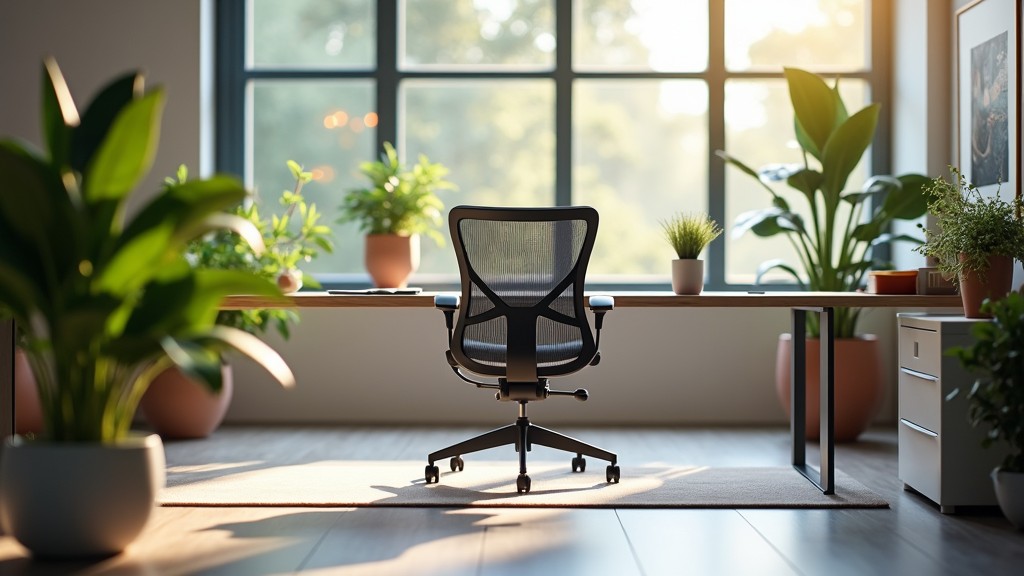
Additional furniture like shelving units or filing cabinets can help maintain organization. A clutter-free workspace reduces distractions and promotes focus. Select comfortable furniture that reflects personal style while ensuring functionality.
Optimizing Lighting and Natural Light
Effective lighting is vital in a home office. Natural light boosts mood and energy levels. Position the desk near windows to take advantage of daylight. This not only brightens the space but also can reduce energy costs.
When natural light isn’t sufficient, incorporate adjustable lighting options. Task lighting, such as desk lamps, provides focused light where needed, aiding concentration. Soft ambient lighting contributes to a more inviting atmosphere without causing eye strain.
Consider light bulb types as well. LED lights are energy-efficient and long-lasting. They can emulate natural light and contribute to a well-lit environment. Balancing natural and artificial lighting creates an ideal workspace that fosters productivity.
Achieving Work-Life Balance at Home
Creating a productive home office space requires a deliberate approach to work-life balance. Effective strategies include establishing clear work zones and maintaining boundaries between professional and personal life.
Creating Distinct Work Zones
Establishing separate work areas within the home helps delineate professional tasks from personal activities. Designate specific rooms or corners in your home office for work-related tasks. This can enhance focus and productivity.
For example, use a dedicated desk for work, while a cozy chair can serve as a reading nook. Utilizing items like room dividers or curtains can help create a visual separation, reducing distractions.
Additionally, consider the layout and ergonomics of each zone. Ensure proper lighting and seating to promote comfort and health during long work hours. Clear organization, such as labeling supplies and using storage solutions, can further support a functional workspace.
Maintaining Healthy Boundaries
Establishing healthy boundaries tends to be crucial for achieving work-life balance while working from home. Setting specific work hours and communicating these to family and friends helps create a structure that minimizes interruptions.
Using tools like calendars or scheduling apps can assist in defining work time. It becomes easier for others to respect personal time when clear expectations are set.
Additionally, incorporate regular breaks to recharge throughout the day. This practice not only improves productivity but also helps maintain mental health. A clear end to the workday, by shutting down the computer or changing clothes, signals a transition to personal time, reinforcing the separation between work and home life.
Enhancing Productivity Through Organization
Creating a well-organized home office can significantly improve productivity. Focused strategies for decluttering and implementing effective storage solutions are essential for maintaining an efficient workspace.
Decluttering Strategies
To enhance productivity, starting with decluttering is crucial. Identify unnecessary items that occupy valuable space. Sort them into three categories – keep, donate, and discard. For items that need to be kept but aren’t used often, move them to a different room, like the basement. And, if these items are large or take up too much space, consider building a small shed in the garden or outdoors, similar to these duramax sheds or from other trusted brands.
Also, regularly assess desk items, files, and decor to ensure only essentials remain. Introduce a minimalist approach. Limit decorative items to a few that inspire focus. Keeping surfaces clear allows for better mental clarity, making work tasks feel less overwhelming.
Additionally, consider a weekly decluttering routine. Set aside time to evaluate and tidy your workspace. This practice prevents the accumulation of clutter and encourages a fresh start for the upcoming week.
Implementing Smart Storage Solutions
Smart storage solutions can transform a disorganized office into an efficient workspace. Using vertical space is vital; consider installing shelves or pegboards for storage that keep items within reach but off the desk.
Invest in multi-functional furniture, such as desks with built-in storage or cabinets that can serve multiple purposes. This helps maximize space and keeps essential tools organized.
Utilize labeled bins and folders. This allows for quick retrieval of documents and supplies, reducing time spent searching for items. Digital solutions can also assist; scanning important documents reduces physical clutter while ensuring important information is easily accessible.
Ergonomics and Personal Comfort
Creating a comfortable home office environment significantly impacts productivity and overall well-being. Careful selection of furniture and adding personal touches can help mitigate issues like back pain, ensuring a more effective workspace.
Selecting Chairs and Desks for Comfort
Chairs and desks play a crucial role in maintaining ergonomics. An adjustable chair is essential to accommodate different body types. Look for features such as lumbar support, adjustable seat height, and armrests.
When considering desks, a standing desk can provide flexibility in work positions. This can help reduce strain and encourage movement. It is recommended to alternate between sitting and standing throughout the day.
Key factors to contemplate include:
- Chair Height: Allows feet to rest flat on the floor.
- Desktop Height: Should be at elbow level when sitting.
- Monitor Placement: Eye-level to prevent neck strain.
These adjustments can lessen discomfort and promote better posture.
Personalizing Your Space for Wellbeing
Personal touches in a home office enhance comfort and create a more inviting atmosphere. Incorporating elements like plants, art, and preferred color schemes can improve focus and mood.
Lighting is another critical aspect. Natural light is preferred, but adjustable desk lamps can also help reduce eye strain.
Additionally, using noise-canceling headphones or soft background music can minimize distractions.
A well-considered layout with personal items allows for better organization. For example, placing frequently used items within arm’s reach minimizes movement and maintains efficiency.
Enhancing personal comfort through thoughtful design elements can lead to a more productive work environment.