
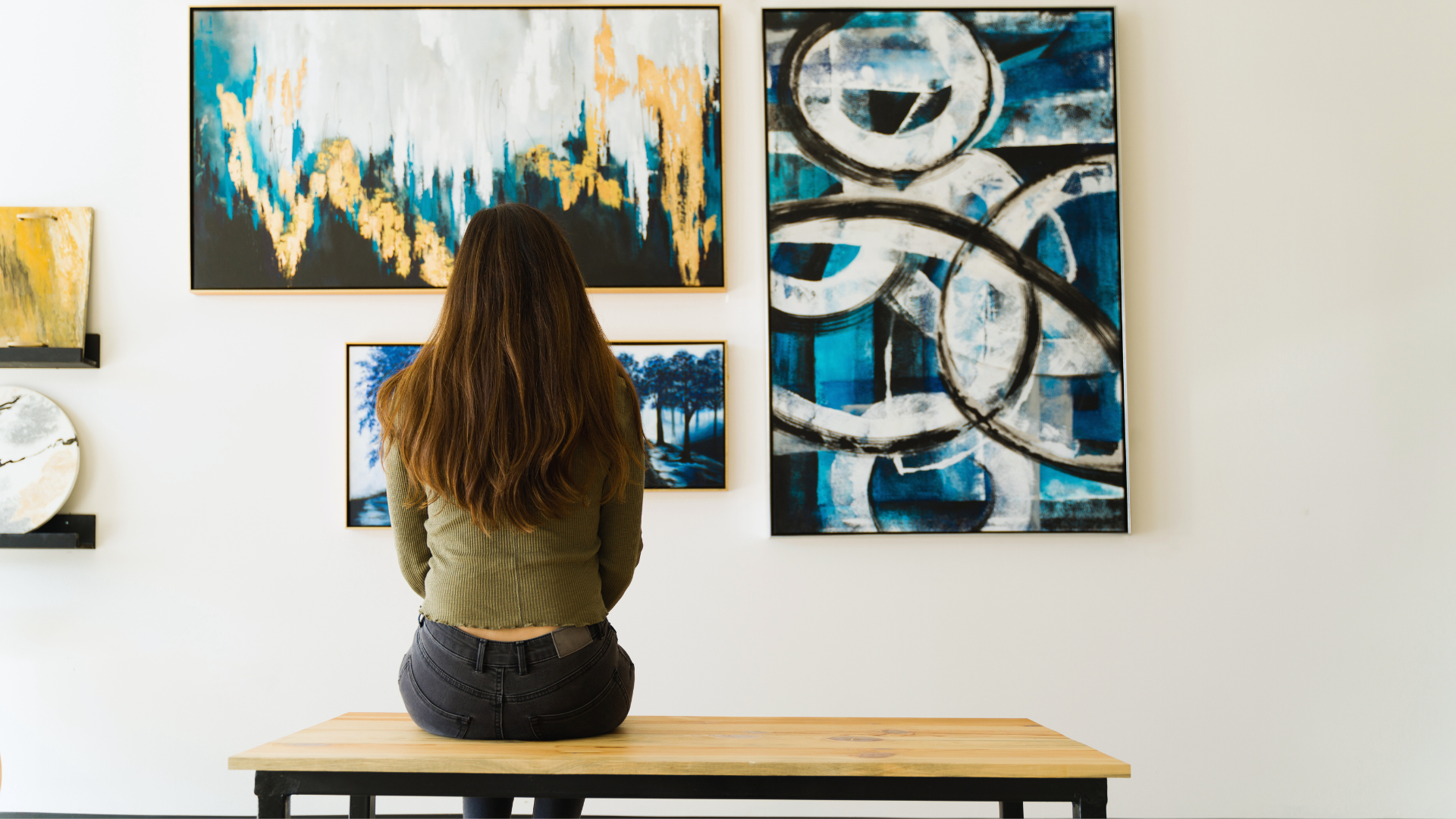
Creating custom wall art allows individuals to express their unique style and personality in their living spaces. This DIY approach not only enhances the aesthetics of a room but also provides a rewarding creative outlet. Whether it’s through painting, photography, or mixed media, the possibilities are endless when it comes to designing personal artwork.
The process of making wall art can be as simple or as intricate as desired. He or she can start with basic supplies and techniques, or they can explore advanced methods to create more complex pieces. By choosing materials and themes that resonate with them, anyone can transform blank walls into personal galleries that reflect their interests and experiences.
Ultimately, the thrill of creating custom wall art lies in its potential to bring spaces to life. They can make thoughtful decorations that serve as conversation starters or cherished focal points in any room. This journey of creativity not only beautifies a space but also nurtures individual expression.
Understanding Custom Wall Art
Custom wall art plays a vital role in personalizing home decor. It adds a unique touch to living spaces and reflects individual style and taste.
Defining Custom Wall Art
Custom wall art refers to artwork that is specifically designed to meet the personal preferences of an individual. This type of art can range from commissioned paintings to personalized prints. The key aspect is that it resonates with the owner’s aesthetic, making it a standout feature in any room. Custom wall art can be created using various mediums, including canvas, wood, or metal, allowing for a range of visual effects and finishes.
Types of Custom Wall Art
There are several popular types of custom wall art. Commissioned paintings can reflect personal experiences or favorite subjects. Personalized prints allow individuals to choose quotes or images that hold special meaning.
Other types include:
- Photo collages: Using personal photographs to create a cohesive design.
- Wall decals: Custom designs that can transform spaces easily.
- Framed art: Personalized frames that add character and style to artwork.
Each type serves to enhance home decor while showcasing individual flair.
Benefits of Personalized Decor
Personalized decor, such as custom wall art, offers numerous advantages. It provides a sense of ownership, as these pieces are tailored to individual tastes. This uniqueness fosters emotional connections to the space, creating a more inviting atmosphere.
Custom wall art can also be a conversation starter. Guests may appreciate the story behind a piece or the creativity involved. Moreover, such artwork can increase the perceived value of a home, as it sets the environment apart from standard designs.
Creating Your Custom Wall Art
Creating custom wall art involves selecting the right elements, materials, and design tools. The personal touches added make the artwork unique and reflective of individual style.
Choosing the Right Photos and Graphics
When selecting photos and graphics, personal significance is key. Use favorite photos that evoke memories or emotions. High-resolution images in formats such as JPG, PNG, or GIF ensure clarity and visual impact. For instance, incorporating personal moon phases art prints can add a celestial and meaningful touch to your wall decor, allowing you to commemorate special dates or moments tied to the phases of the moon.
Tools like Canva can aid in choosing and editing images. It allows for easy manipulation of photo size and quality. Combining photographs with graphics can create a balanced composition, enhancing the visual story.
Artwork themes can also guide selections-nature, family, or abstract styles resonate differently. Ensure that selected images complement each other in color and tone to create a cohesive look.
Selecting the Appropriate Materials
The choice of materials affects the final appearance and longevity of wall art. Options include canvas, poster paper, or wood, each providing unique textures and experiences.
Canvas prints offer a classic look, while posters are lightweight and more affordable. Wood adds rustic charm but may require additional care.
For durability, consider using materials that resist fading and wear. Finishing options like matte or glossy coatings can enhance appearance. This final touch influences how colors pop and how the artwork interacts with light in a room.
Design Tools and Software
Designing wall art is simplified by using design tools such as Canva. This platform hosts a variety of templates and elements that help streamline the creative process.
Users can create custom prints, adding personal text and graphics. Export options include PDF for high-quality prints or JPG for web use. Flexibility in formats supports various printing needs.
Experimenting with layout and design elements ensures an engaging composition. Color contrast and typography should be carefully considered to achieve the desired aesthetic.
Adding Personal Touches
Adding personal touches can transform simple wall art into meaningful statements. Incorporating custom text such as quotes, dates, or names gives depth to the artwork.
Personalized elements should align with the overall design. Choose fonts that complement images and maintain legibility in various sizes.
Consider mixing different art styles or framing options to enhance uniqueness. Personal touches elevate the connection to the artwork, making it more than just a decorative piece.
Printing and Display Options
Choosing the right printing and display options is essential for creating visually appealing wall art. These decisions can significantly impact how the artwork is perceived and enjoyed within a space.
Canvas Prints vs Acrylic vs Metal
Canvas prints are popular for their texture and artistic feel. They offer a classic look and can be customized with a variety of finishes, including matte or glossy. Custom canvas prints suit different styles, from traditional to contemporary.
Acrylic prints provide a modern, sleek appearance. They are printed on high-quality acrylic glass, offering vibrant colors and sharp details. This option works well for showcasing photography or artwork in bright spaces.
Metal prints offer a unique, industrial edge. Made from aluminum, they are durable and resistant to fading. Metal prints have a contemporary look, suitable for minimalist designs or gallery walls.
Framed vs Frameless Presentation
Framed prints bring a touch of elegance. They offer protection for the artwork and create a finished look. Framed canvas prints can enhance the art by adding depth with various frame styles and colors.
Frameless presentations, such as those with acrylic or metal, allow the artwork to stand out without distractions. This style provides a clean, modern aesthetic. Using mounting methods like standoffs or back-mounting accentuates the artwork’s design.
Wall Display Variations
Wall displays can choose from numerous arrangements, such as grid patterns or asymmetrical layouts. A gallery wall featuring a mix of canvas and framed prints can create visual interest.
Using various sizes and styles can unify a collection. It’s essential to consider the space’s size and color scheme when planning an arrangement. Each piece should complement the others, enhancing the overall impact of the display.
Vertical and horizontal orientations also influence the display’s effect. It’s vital to ensure that the arrangement is visually balanced, allowing the artwork to shine.
Budgeting and Quality Considerations
Creating custom wall art involves balancing budget constraints with the desire for quality. By exploring affordable options, ensuring high-quality prints, and comparing vendors, individuals can find solutions that meet their artistic needs without overspending.
Finding Affordable Options
When searching for budget-friendly custom wall art, various platforms provide affordable choices. Options like posters or prints from local artists may cost less than canvas alternatives. Online platforms such as Shutterfly often have promotions or discounts for customers.
Additionally, buyers can consider DIY prints. Using personal photographs can significantly reduce costs. Utilizing budget-friendly materials, like paper or inexpensive frames, also offers cost-effective solutions for custom wall art.
It’s essential to explore multiple vendors and community art fairs to discover unique, affordable pieces that align with personal style without sacrificing quality.
Ensuring High-Quality Prints
Quality is paramount when creating wall art. High-quality canvas or premium paper ensures the artwork remains vibrant over time. Opting for materials that resist fading or damage is crucial for longevity.
Investing in a reputable printing service guarantees that colors are true to the original image. For example, custom prints should employ professional-grade ink and techniques. This attention to detail enhances the visual appeal of the artwork.
Buyers should scrutinize reviews and ratings of printing services to gauge their reliability. Premium services often offer different options for finishes, which can elevate the overall look of custom art.
Comparing Vendors and Services
Comparing different vendors and their offerings plays a vital role in ensuring value. It’s important to review multiple platforms, including online and brick-and-mortar stores. Pricing varies significantly based on the quality and type of media used.
Buyers should assess printing options like canvas versus paper. Personalized canvas prints often come at a higher price point but offer durability. Comparison tools or spreadsheets can aid in tracking price differences and services offered.
Additionally, checking for customer service quality and return policies can prevent future issues. A vendor that provides good support often reflects a commitment to customer satisfaction and product quality.