
Homeowners often seek ways to enhance their property value, recognizing that smart investments can yield high returns. Making targeted improvements, such as updating kitchens and bathrooms, enhancing curb appeal, and undertaking energy-efficient upgrades, can significantly boost a home’s resale price. These investments not only elevate the aesthetic and functional quality of a home but also appeal to potential buyers.
In the competitive real estate market, understanding which enhancements offer the best value can make all the difference. Homeowners who strategically prioritize renovations based on market trends can capitalize on their investment. This approach ensures that the improvements align with buyer demand, maximizing the home’s overall appeal and marketability.
With the right focus on key areas of improvement, homeowners can confidently navigate their property enhancements. Adopting a meticulous and informed strategy is essential for those aiming to turn their home into an asset that appreciates over time.
Essential Smart Investments for Boosting Home Value
Smart investments in home improvements can significantly enhance a property’s value. Key areas include curb appeal, interior renovations, energy efficiency upgrades, and understanding the return on investment for specific projects.
Curb Appeal Enhancements
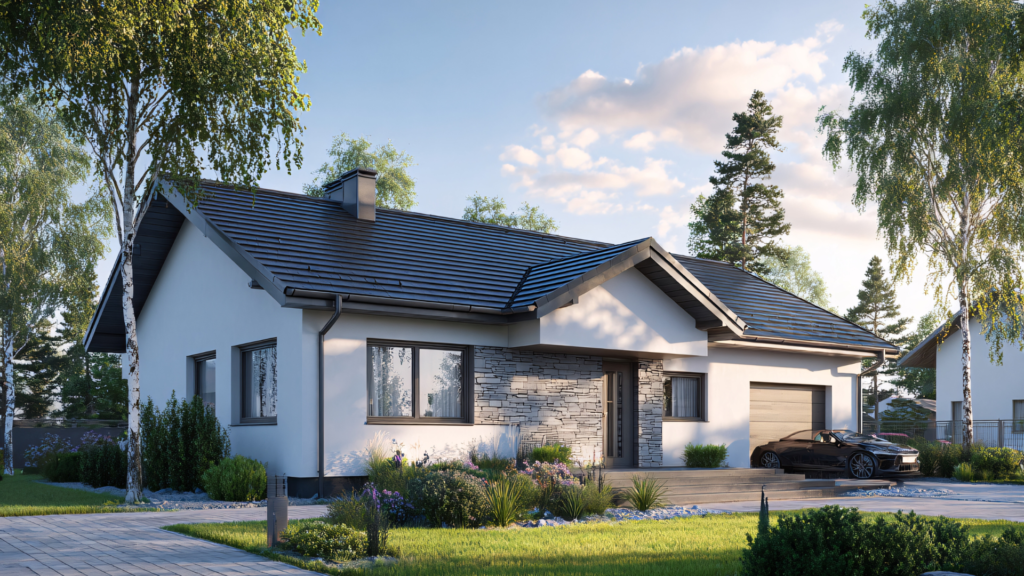
Curb appeal is crucial for making a strong first impression. Simple changes can transform the exterior of a home, leading to higher resale value.
- Landscaping: Maintaining a well-kept lawn, adding flower beds, or planting trees can boost attractiveness.
- Front Door: Replacing an old front door with a modern, stylish option can elevate the visual appeal.
- Garage Door: An updated garage door can provide both aesthetic and functional benefits, appealing to potential buyers.
Fresh paint on siding or shutters also instantly refreshes the exterior of the home.
Interior Remodeling Priorities
Focusing on interior spaces can make a home more appealing to buyers. Certain renovations yield higher returns than others.
- Bathroom Remodels: Upgrades such as new fixtures, tile, and improved lighting can significantly enhance a bathroom’s functionality and look.
- Kitchen Updates: Modernizing the kitchen with new cabinets, countertops, and energy-efficient appliances increases both usability and value.
- Flooring: Installing hardwood floors offers durability and style while appealing to many buyers.
These projects can create timely enhancements that attract interest.
Energy Efficiency Upgrades
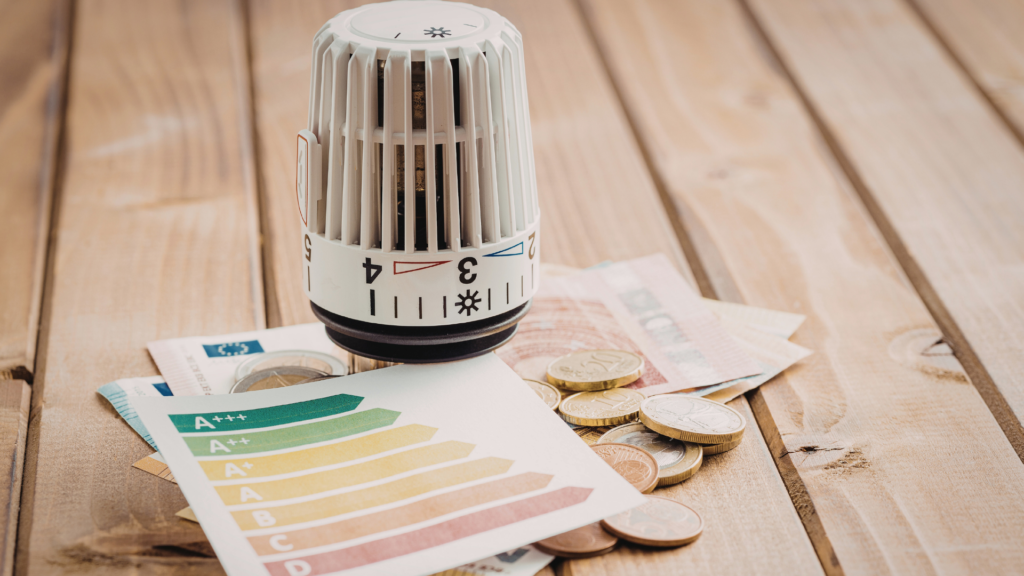
Investing in energy efficiency can provide immediate savings and long-term value. This is increasingly important for buyers seeking sustainable homes.
- Windows: Replacing older windows with energy-efficient models can lower energy bills and improve comfort.
- Insulation: Proper insulation in attics and walls can enhance energy efficiency, making homes more inviting.
- Energy-Efficient Appliances: Updating appliances reduces energy usage and is often attractive to eco-conscious buyers.
Such upgrades contribute positively to both the living experience and the home’s market position.
Maximizing Return on Investment
Understanding which home improvement projects yield the best return is essential for effective planning.
- Kitchen remodels can recoup 70-80% of the investment.
- Bathroom upgrades typically return about 60-70%.
- Curb appeal enhancements, such as fresh paint and landscaping, can significantly increase the initial value perception.
Calculating potential ROI helps homeowners prioritize renovations that align with their goals and budget, ensuring a strategic approach to boosting property value.
Strategic Home Improvement Projects for Higher Resale Value
Investing in the right home improvements can significantly enhance a property’s appeal and resale value. Certain projects stand out for their return on investment and are especially attractive to potential buyers.
Smart Choices for Kitchen and Bath Updates
Kitchen and bathroom remodels often yield some of the highest returns on investment. Upgrading appliances to energy-efficient models can attract buyers looking for modern conveniences.
Key updates include:
- Installing new countertops (e.g., quartz or granite)
- Replacing outdated fixtures and cabinetry
- Adding a fresh coat of paint in neutral colors
A bathroom remodel can also make a strong impression. Features like double sinks and updated showers can elevate the space. These improvements not only enhance aesthetics but also contribute to increased functionality.
Materials and Finishes That Impress Buyers
The choice of materials and finishes plays a critical role in appealing to buyers. Hardwood floors remain a sought-after feature due to their durability and timeless look. They can increase a home’s perceived value.
Consider these finishes:
- High-quality tile in kitchens and bathrooms
- Modern light fixtures that provide both style and functionality
- Durable siding materials that enhance curb appeal
Investing in quality materials ensures that buyers perceive value in the home, reinforcing the idea that the property is well-maintained.
Location and Local Market Considerations
Location greatly influences property value and resale potential. Understanding local real estate trends can guide smart investments.
For instance:
- Homes in high-demand areas may benefit from upscale landscaping and outdoor spaces.
- In less competitive markets, essential upgrades like fresh paint and energy-efficient systems can differentiate a property.
Tailoring improvements to align with what local buyers prioritize can maximize appeal and investment returns. Being mindful of the location’s nuances helps homeowners make choices that resonate with prospective buyers.
Preparing to Sell: Final Steps That Increase Home Value
Making the right final adjustments before listing a property can significantly enhance its appeal. Attention to detail in both aesthetics and market positioning will help maximize home value.
Professional Touches That Make a Difference
Investing in professional services can elevate a home’s market presence. Consider hiring a home stager who can showcase the property’s best features. Staging helps potential buyers imagine living there, making it easier for them to visualize the space.
A fresh coat of paint can also work wonders. Neutral colors are recommended to attract a wider audience. Appliances and fixtures should be updated if they are outdated or showing signs of wear.
Landscaping plays a crucial role in curb appeal. Maintaining the lawn, trimming hedges, and adding colorful plants can entice buyers as they approach the home. These details suggest care and quality, leading to a higher perceived value.
Timing and Market Positioning
Timing the sale of a home requires an understanding of local real estate trends. Sellers should research market cycles and choose a time when demand is high, such as spring and summer. Homes tend to sell faster during these months.
It’s also essential to price the home competitively based on similar properties in the area. An attractive listing price can draw in more potential buyers. Comprehensive online listings with high-quality photographs can enhance visibility and interest.
Sellers should also consider hosting open houses during peak times to increase foot traffic. This direct interaction allows potential buyers to explore the home without pressure, often leading to better offers.